# Understanding Ilya Sutskever’s Vision: AI as a Tool, Not a Colleague
In the rapidly evolving landscape of artificial intelligence, few figures stand out as much as Ilya Sutskever, co-founder and chief scientist of OpenAI. As AI technologies increasingly permeate various sectors, Sutskever’s insights into the nature of AI tools and their proper use have become crucial for developers and organizations alike. His perspective emphasizes that AI should be seen as a sophisticated tool rather than an intelligent colleague capable of human-like understanding.
## The Illusion of Understanding
One of the most significant misconceptions surrounding AI systems is the belief that they possess a form of understanding akin to human cognition. Sutskever often points out that while AI models can generate coherent and contextually relevant outputs, they fundamentally lack true comprehension. Instead, these models operate by recognizing patterns in data rather than grasping the underlying meaning. This distinction is vital for users who may inadvertently attribute human-like qualities to their AI tools.
### Key Points to Consider:
– **AI Lacks Sentience**: Models like OpenAI’s ChatGPT do not have beliefs, opinions, or consciousness. They produce outputs based on learned patterns from extensive datasets.
– **User Responsibility**: When AI outputs are incorrect or nonsensical, users must reflect on their inputs. Providing precise context and clear criteria for success is essential.
– **Avoiding Overtrust**: Relying too heavily on AI without validating its outputs can lead to significant errors in projects.
## Building Effective Collaboration with AI
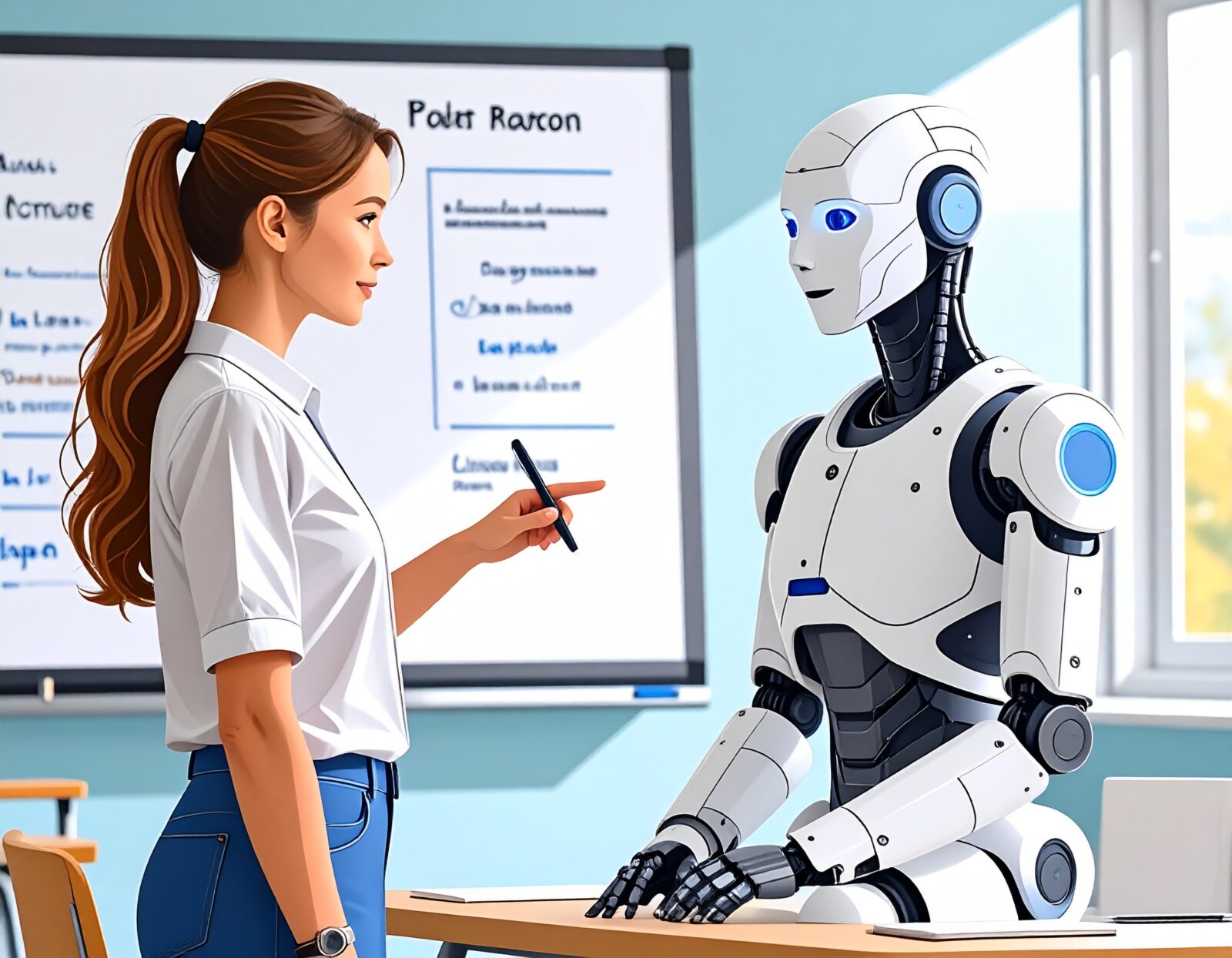
For professionals seeking to integrate AI effectively into their workflows, Sutskever advocates for a collaborative approach that recognizes the limitations of these tools. Users must take an active role in guiding AI systems by setting clear parameters for their use.
### Best Practices for Engaging with AI:
– **Clarify Inputs**: Ensure that your prompts and queries are specific and detailed. This helps the AI produce more relevant and accurate outputs.
– **Establish Constraints**: Define the boundaries within which the AI should operate. For instance, if you are working on a software project, clearly outline the scope and any restrictions to avoid unintended consequences.
– **Validate Outputs**: Regularly test and verify the outputs generated by AI tools. This can involve checking for correctness and ensuring that the outputs align with your expectations.
## The Role of AI in Software Development
As AI becomes more integrated into software development processes, understanding its capabilities and limitations is paramount. Sutskever’s insights highlight that while AI can assist with coding tasks, it should not replace critical thinking and human judgment.
### Common Pitfalls in AI Usage:
– **Naive Prompting**: Users may fail to provide sufficient context, leading to irrelevant or erroneous outputs. For example, asking an AI to scaffold a project without specifying parameters can yield unexpected results.
– **Misinterpretation of AI Responses**: The human tendency to anthropomorphize AI can lead to frustration when outputs do not meet expectations. Recognizing that AI does not “understand” is crucial for effective collaboration.
– **Assumed Knowledge**: Users often assume that AI has knowledge of their specific project or domain, which can lead to mistakes. Clear communication of project details is essential.
## The Future of AI and Human Collaboration
Looking ahead, the relationship between AI tools and human users will continue to evolve. Sutskever’s vision highlights the potential for AI to enhance productivity when used correctly. However, it also underscores the importance of maintaining a clear distinction between AI’s capabilities and human intuition.
### Embracing a New Mindset:
– **Think Like a Programmer**: Approach AI as a sophisticated tool for processing instructions rather than a peer collaborator. This mindset shift can lead to better outcomes in AI-assisted tasks.
– **Apply Machine-Level Clarity**: By providing AI with clear, unambiguous instructions, users can leverage its strengths while minimizing the risk of errors.
– **Continuous Learning**: As AI technology advances, so too should users’ understanding of how to interact with these tools effectively. Embrace the learning curve to maximize the benefits of AI.
In conclusion, Ilya Sutskever’s insights into the nature of AI as a tool rather than a colleague are critical for developers and organizations navigating the complexities of this technology. By understanding the limitations of AI and adopting best practices for collaboration, users can enhance their productivity and mitigate risks associated with over-reliance on machine-generated outputs.
Based on reporting from www.oreilly.com.
Based on external reporting. Original source: www.oreilly.com.

 The State of AI: How war will be changed forever
 ThoughtSpot Unveils New AI Agents Transforming Modern Analytics
 AI On: 3 Ways to Bring Agentic AI to Computer Vision Applications
 NousCoder-14B: Open-Source AI Coding Model Competes with Industry Giants