# The Future of AI Hiring and Workforce Replacement: Exploring Google Opal’s Impact
As artificial intelligence continues to reshape industries, the way companies approach hiring and workforce management is undergoing significant transformation. One of the latest innovations contributing to this shift is Google Opal, a no-code tool that allows users to create AI-driven micro-applications using natural language. This development has implications not only for the recruitment process but also for the overall dynamics of the workforce.
## What is Google Opal?
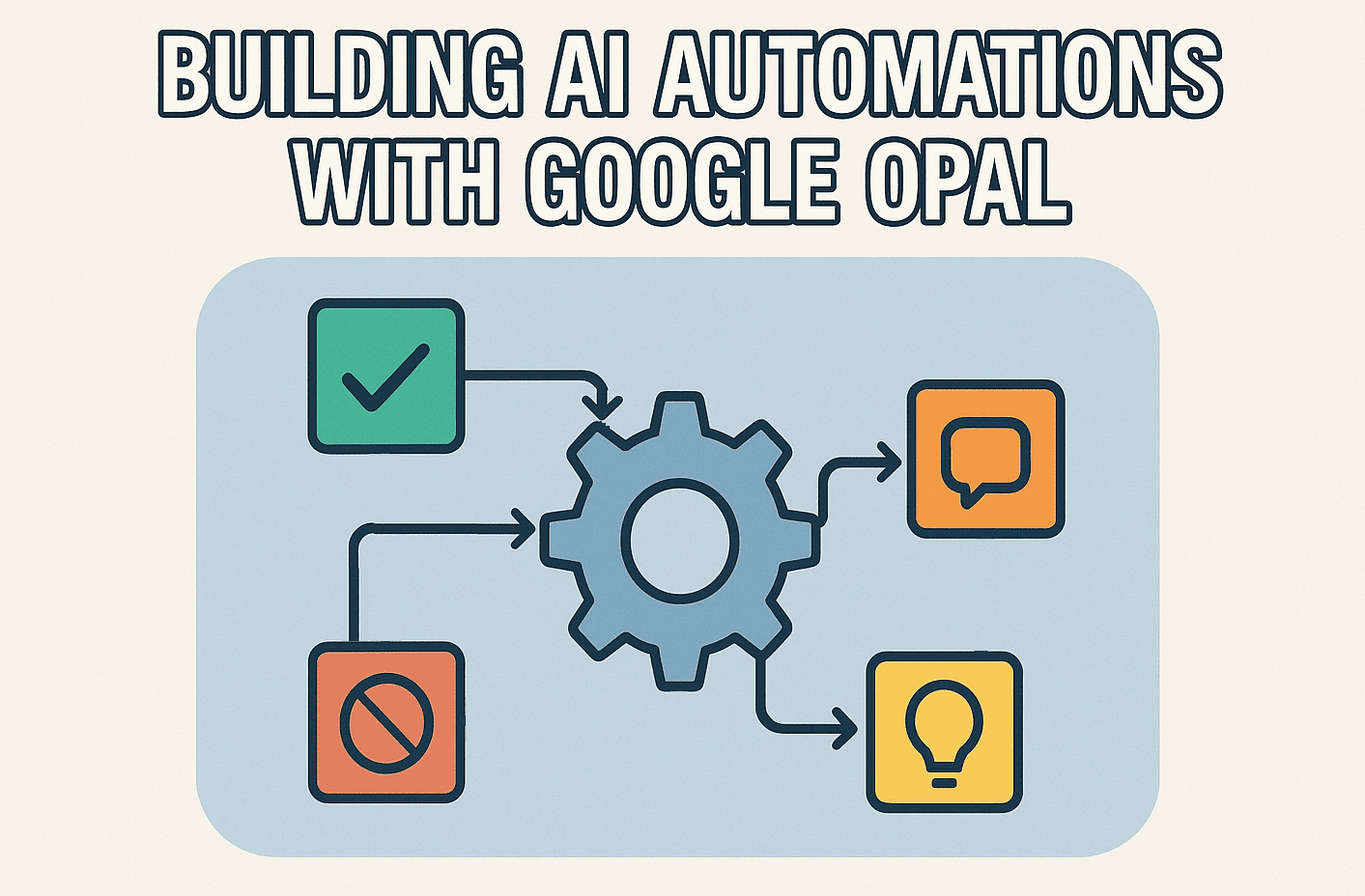
Google Opal, developed by Google Labs, is an experimental platform aimed at democratizing the creation of AI applications. By allowing users to build applications without needing extensive coding knowledge, Opal opens the door for a wider range of individuals and businesses to harness the power of AI. Users can create customized solutions tailored to their specific needs, potentially streamlining various tasks within the hiring process.
### Key Features of Google Opal
– **No-Code Environment**: Users can develop applications using simple language commands, making it accessible for those without technical backgrounds.
– **AI-Powered Solutions**: The tool leverages advanced AI capabilities to enhance the functionality of applications, allowing for more intelligent automation.
– **Sharing Capabilities**: Users can easily share their creations with others, fostering collaboration and innovation within teams.
## Transforming the Hiring Process
As companies increasingly adopt AI tools like Google Opal, the hiring process is likely to undergo several changes:
### Enhanced Candidate Screening
AI applications can automate the initial screening of job applications, analyzing resumes and cover letters more efficiently than human recruiters. This allows companies to:
– **Reduce Bias**: AI can be programmed to focus on skills and qualifications, minimizing the influence of unconscious biases.
– **Speed Up Processes**: Automated screening can significantly shorten the time it takes to identify suitable candidates.
### Personalized Candidate Engagement
Employers can use AI-driven applications to enhance communication with potential hires. By automating responses to common inquiries and providing tailored content, companies can:
– **Improve Candidate Experience**: Quick, personalized interactions can make candidates feel valued, increasing their likelihood to engage further.
– **Maintain Interest**: AI can send regular updates and reminders to keep candidates informed and engaged throughout the hiring process.
## The Impact on Workforce Dynamics
While tools like Google Opal promise efficiency and innovation, they also raise questions about workforce replacement and the future of jobs. As AI systems become more capable, the risk of automation replacing certain jobs increases, leading to a shift in workforce needs.
### Job Displacement Concerns
– **Routine Tasks**: Positions involving repetitive tasks, such as data entry or basic customer support, may be particularly vulnerable to automation.
– **Skill Shifts**: The demand for certain skill sets may decline, while new opportunities arise in AI management, maintenance, and development.
### New Opportunities for Growth
Despite concerns over job displacement, AI can also create new roles and industries. As organizations integrate AI into their operations, they will require:
– **AI Specialists**: Experts who can develop, manage, and optimize AI systems will be in high demand.
– **Interdisciplinary Roles**: Positions that combine technical skills with industry-specific knowledge, such as ethics in AI, will emerge as key areas of focus.
## Preparing for an AI-Driven Future
As companies navigate the complexities brought by AI tools like Google Opal, it is essential for both employers and employees to adapt.
### For Employers
– **Invest in Training**: Organizations should prioritize upskilling their workforce to prepare for the integration of AI technologies.
– **Foster a Culture of Adaptability**: Encouraging a mindset of continuous learning can help employees stay relevant in a changing job market.
### For Employees
– **Embrace Lifelong Learning**: Workers should seek opportunities to develop new skills, particularly in technology and data analytics.
– **Stay Informed**: Keeping abreast of industry trends and advancements in AI can help individuals position themselves favorably in the job market.
## Conclusion
The emergence of tools like Google Opal indicates a significant shift in how businesses will approach hiring and workforce management. While the benefits of automation and AI integration are clear, the potential for job displacement also raises important questions about the future of work. By embracing change and investing in skills development, both employers and employees can navigate this transformative era effectively.
As AI continues to evolve, its impact on the workforce will undoubtedly grow, making it essential for all stakeholders to stay informed and prepared for the challenges and opportunities ahead.
Based on reporting from www.kdnuggets.com.
Based on external reporting. Original source: www.kdnuggets.com.

 Google Tests Gemini-Powered Auto Browse Feature to Transform Chrome Experience
 OpenAI Pushes to Make Its API Format the Industry Standard for AI Development
 OpenAI Unveils GPT-5.5: Its Most Advanced Agentic AI Model to Date