What Happened
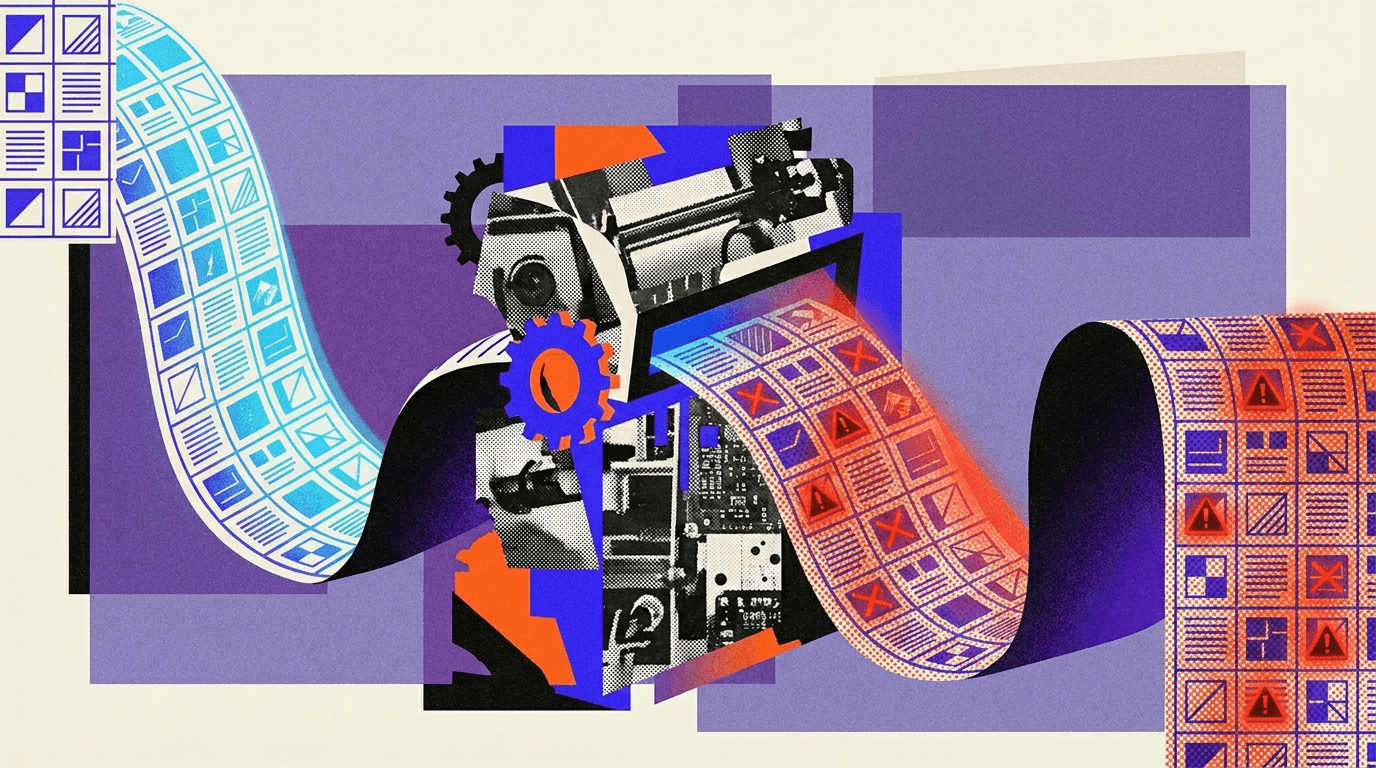
text detection accuracy is at the center of this update. The Authors Guild recently tested five AI text detection tools to evaluate their ability to correctly identify human-written texts. The detectors included Pangram, Grammarly, Sidekicker, ZeroGPT, and one other unnamed tool. The results were striking: Pangram and Grammarly correctly identified all tested texts as human-written, while Sidekicker and ZeroGPT misclassified every single human-written article as AI-generated.
Why It Matters
With AI-generated content becoming more prevalent, the reliability of AI text detectors is critical for publishers, educators, and platforms aiming to maintain the authenticity of written material. False positives from detectors like Sidekicker and ZeroGPT can unfairly undermine genuine human authorship, raising ethical and practical concerns. The test also highlights a deeper paradox — professionally written texts statistically resemble AI outputs, as language models are trained on similar corpora, making detection inherently difficult.
Context
The rapid rise of large language models from companies like OpenAI, Anthropic, and others has transformed content creation. This surge has driven demand for AI detection tools to combat misinformation and plagiarism. However, the technology underpinning these detectors varies widely, and the overlap in linguistic patterns between AI-generated and human-written texts complicates detection efforts.
Expected Impact
The Authors Guild’s findings are likely to influence how publishers and content platforms select AI detection tools, favoring those with demonstrated accuracy such as Pangram and Grammarly. This could also accelerate innovation in detection methods to minimize false positives. For AI developers, the findings underscore the need to enhance model transparency and address training data biases to facilitate better detection.
What We Still Do Not Know
It remains to be seen how these detection tools perform against AI-generated or hybrid texts. Additionally, the long-term efficacy of these detectors as AI models evolve, and the potential legal and reputational consequences of detection errors, are areas requiring further exploration.
Related coverage: AI Chronicle analysis and updates.
Sources consulted
- https://the-decoder.com/authors-guild-test-finds-some-ai-detectors-perfectly-identify-human-writing-while-others-fail-on-every-single-text/
- https://openai.com/news/
- https://www.anthropic.com/news

Related Articles
 Google Reports Data Theft from 200 Companies Following Gainsight Security Breach Linked to Scattered Lapsus$ Hackers
 AI Drives the Future of UK Rail: Predictive Maintenance, Traffic Control, and Safety Enhancements
 Allen Institute for AI Launches Olmo 3: An Open-Source, Customizable Large Language Model Challenging Industry Leaders
 Amazon Prime Video Introduces AI-Generated Video Recaps for Select TV Shows



