What happened
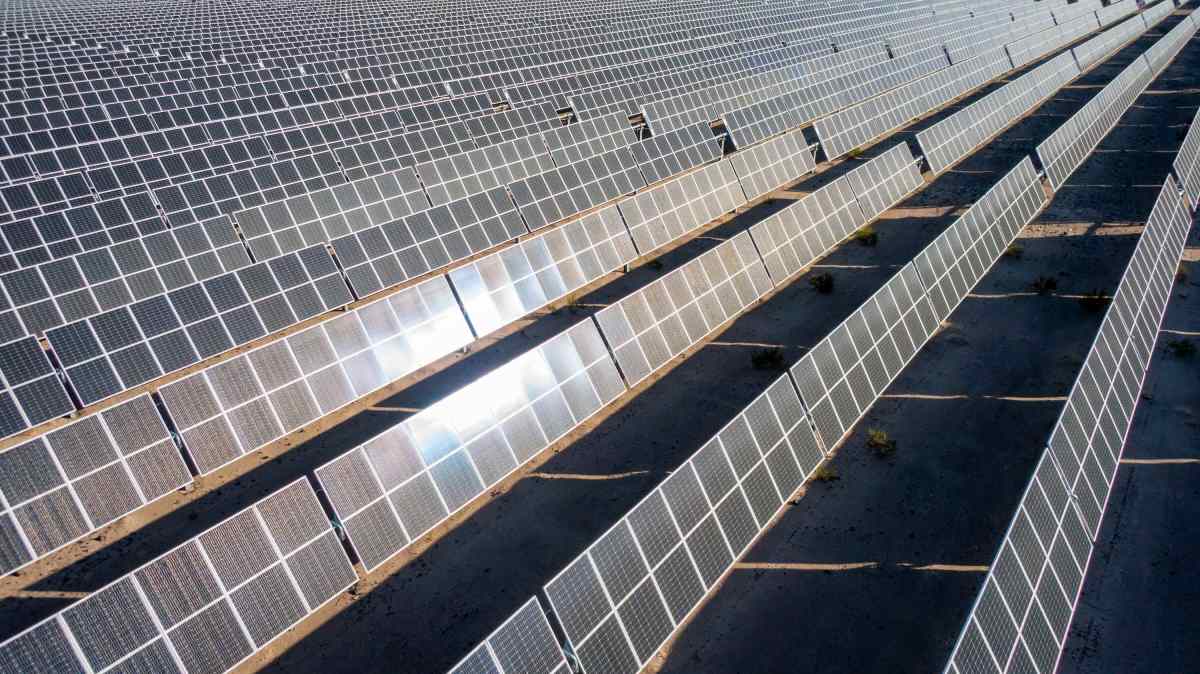
Meta solar power data centers is at the center of this update. Meta has secured three U.S. solar energy deals totaling 1 gigawatt to power its data centers, supporting its AI workloads while offsetting carbon emissions.
Meta Commits to 1 GW of Solar Power to Fuel AI Data Centers
Meta has taken a significant step towards sustainable AI infrastructure by signing three solar power purchase agreements (PPAs) in the United States, totaling 1 gigawatt (GW) of capacity. These deals will supply renewable electricity to Meta’s data centers, which underpin the company’s expanding artificial intelligence workloads, including its Llama AI ecosystem.
What Happened
This week, Meta finalized three separate contracts to procure 1 GW of solar energy across various U.S. locations. The renewable power will offset the substantial electricity consumption of Meta’s data centers, which are crucial for training and running AI models that support services on Facebook, Instagram, and WhatsApp.
Why It Matters
AI development demands intensive computational resources, often leading to increased energy consumption and environmental concerns. By securing large-scale solar power, Meta aims to reduce its carbon footprint, positioning itself as a leader in sustainable AI infrastructure. This move raises the bar for competitors such as OpenAI, Google DeepMind, and Microsoft, all of whom face increasing pressure to balance AI innovation with environmental responsibility.
Context
The AI race is accelerating, with companies investing heavily in data center infrastructure to support advanced models. These centers consume vast amounts of electricity, traditionally sourced from fossil fuels. Meta’s solar deals reflect a broader industry trend towards green energy integration, responding to growing scrutiny over AI’s environmental impact. This effort aligns with Meta’s open-source AI strategy and its ambitions in the AI ecosystem.
Expected Impact
Meta’s commitment to solar energy will help mitigate the environmental costs of its AI operations, potentially inspiring similar initiatives across the tech sector. As Meta scales its AI capabilities, sustainable energy sourcing could become a competitive advantage, influencing how AI companies manage energy consumption and public perception. This green push also supports Meta’s long-term strategy to maintain leadership in AI while addressing climate concerns.
What We Still Do Not Know
While the scale of the solar deals is clear, details about the projects’ locations, timelines for energy delivery, and how these contracts integrate with Meta’s global AI infrastructure remain undisclosed. Additionally, it is uncertain whether Meta plans to expand renewable energy sourcing beyond the U.S. or how these efforts will evolve alongside its AI model development.
Related coverage: AI Chronicle analysis and updates.
Sources consulted
- https://techcrunch.com/2025/10/31/meta-bought-1-gw-of-solar-this-week/
- https://openai.com/news/
- https://blog.google/technology/ai/
Why it matters
This update influences the AI race across model providers, infrastructure leaders, and enterprise adoption decisions.

Related Articles
 Microsoft Expands Cloud Services to Boost Indonesia’s AI Development Ambitions
 OpenAI and Dell Collaborate to Deploy Codex in Hybrid and On-Premise Enterprise Settings
 Listen Labs Secures $69M Funding After Innovative AI-Powered Recruitment Campaign
 The Role of AI in Advancing Fusion Power: Startups Leading the Charge