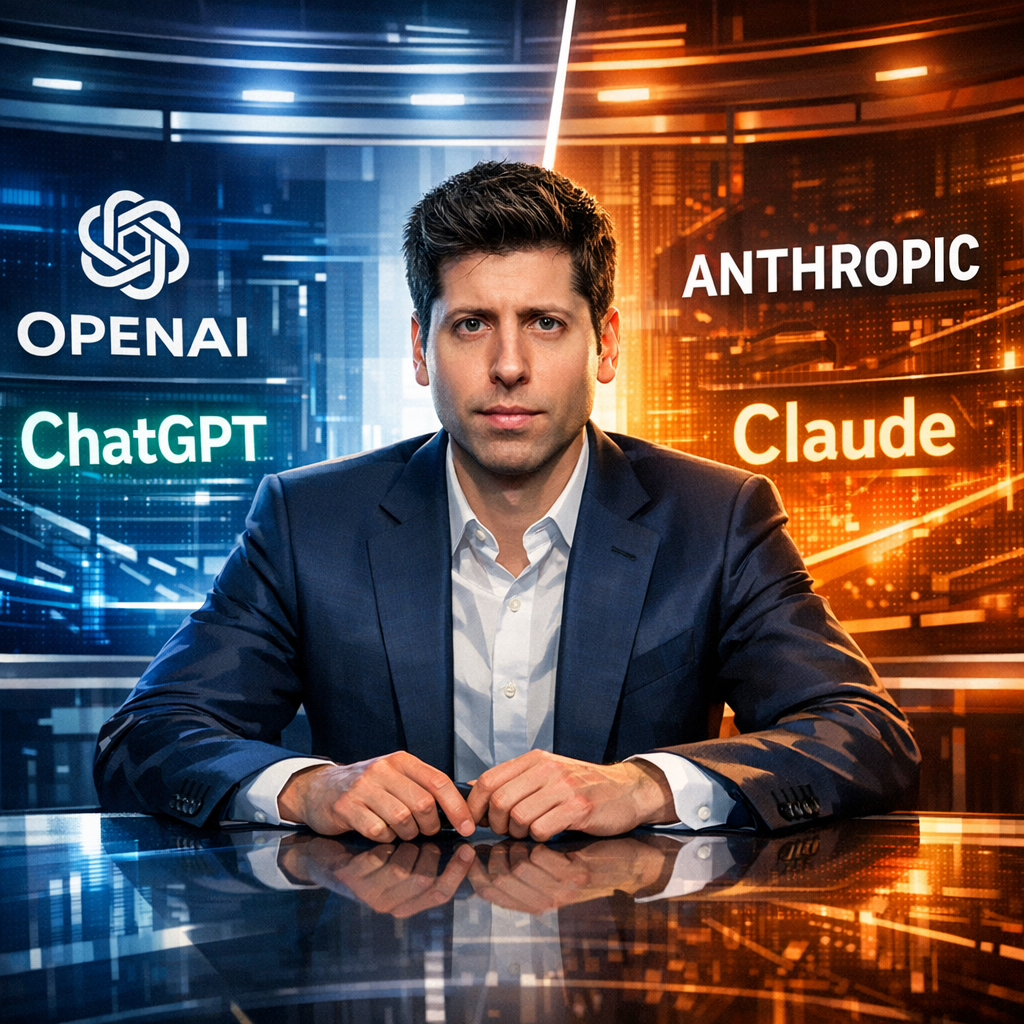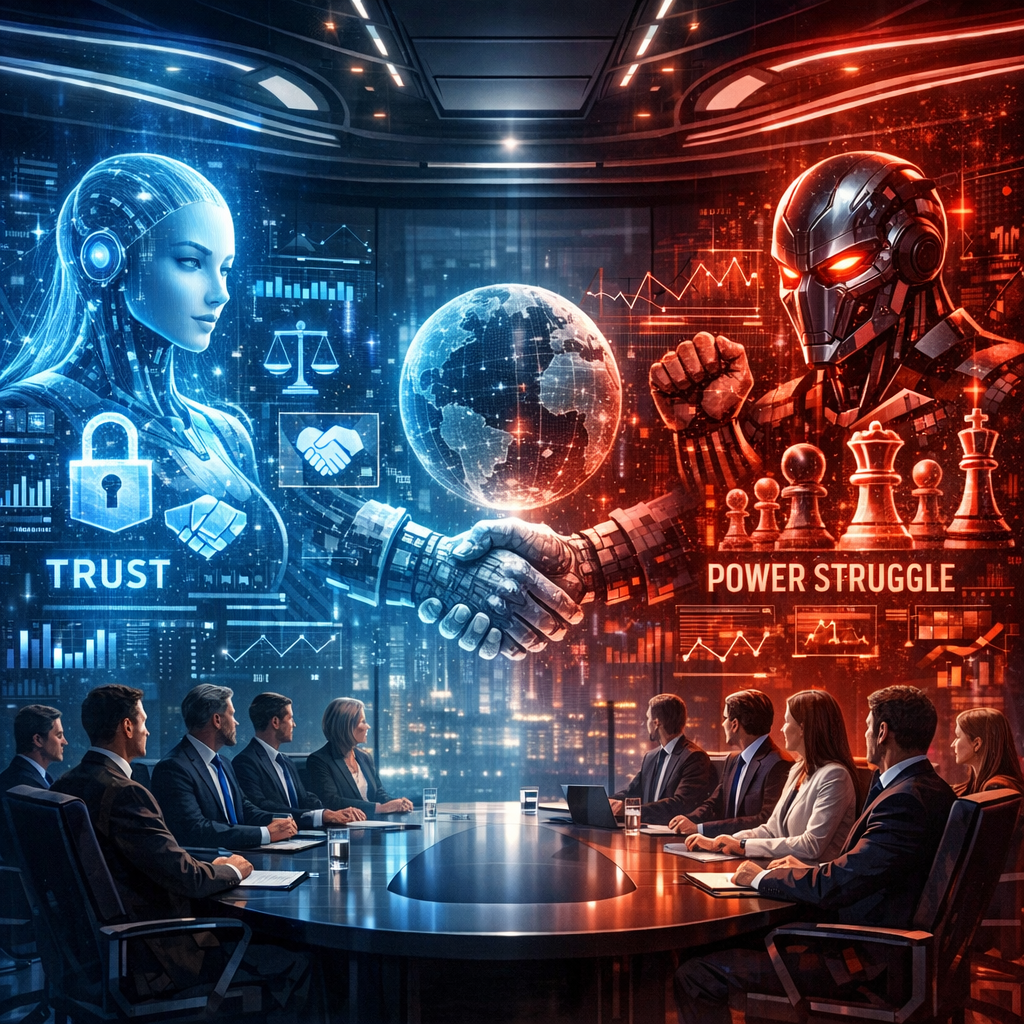
The AI Race Isn’t Just About Innovation — It’s About Trust
Why Trust Real Battlefront Industry is at the center of this update. The artificial intelligence industry is evolving at breakneck speed, with companies like OpenAI, Anthropic, and others pushing the boundaries of what machines can do. But beyond breakthroughs and flashy demos, a far more uncomfortable question looms: can we trust the entities shaping the future of AI?
Why Trust Has Become the AI Industry’s Most Pressing Challenge
Trust isn’t just a buzzword; it’s the foundation for the adoption and ethical deployment of powerful AI. Yet, the sector’s rapid monetization and consolidation of power raise red flags. When a few companies control not only the most advanced models but also the data, the compute infrastructure, and the talent, what happens to transparency and accountability?
OpenAI’s Double-Edged Sword
OpenAI epitomizes this tension: launched as a mission-driven lab, it has morphed into a business powerhouse, deeply intertwined with Microsoft and other commercial interests. This raises the uncomfortable question—how true is its commitment to responsible AI when business priorities and trustworthiness collide?
AI Safety Is Not Just a Box to Check
Many AI companies tout safety and ethics as part of their brand, but is this just marketing? Real AI safety demands ongoing investment, rigorous testing, and public accountability—none of which can be fully achieved behind closed doors. The industry risks undermining public trust if safety is relegated to a PR exercise.
The Role of Regulation and Governance
Governments struggle to keep pace with AI innovation, often trailing behind technology companies that define the rules by default. Without strong governance frameworks that include public voices, there’s a genuine risk that AI’s future will be decided in boardrooms far removed from societal concerns.
Can Trust Break the Concentration of AI Power?
Power in AI is concentrating faster than many realize—with infrastructure providers, chip makers, and leading AI firms forming new gatekeepers. The paradox: the more entrenched these players become, the harder it is for new entrants to compete and for ethical standards to be enforced industry-wide.
Conclusion: The Hard Questions Ahead
The AI industry’s biggest challenge isn’t just algorithms or hardware—it’s trust. Without it, even the most groundbreaking technologies risk rejection or misuse. As consumers, regulators, and technologists, we must demand transparency, accountability, and a commitment to ethics from AI leaders.
Will AI companies rise to this challenge or continue to chase profit at the expense of public good? The answer will shape not only technology’s future but society’s very fabric.
Related coverage: AI Chronicle analysis and updates.
Sources consulted
Why it matters
This update influences the AI race across model providers, infrastructure leaders, and enterprise adoption decisions.

Related Articles
 OpenAI’s Real Problem Is Not Claude. It Is Being Too Powerful to Read Clearly.
 Why AI Power Is Concentrating: The Rise of Nvidia and the Future of Artificial Intelligence Control
 Pew Research Highlights Resilience of X Social Media Platform Amid Intensifying Competition in the U.S.
 SK hynix’s US IPO Could Ease Global Memory Chip Shortage Amid Growing AI Demand