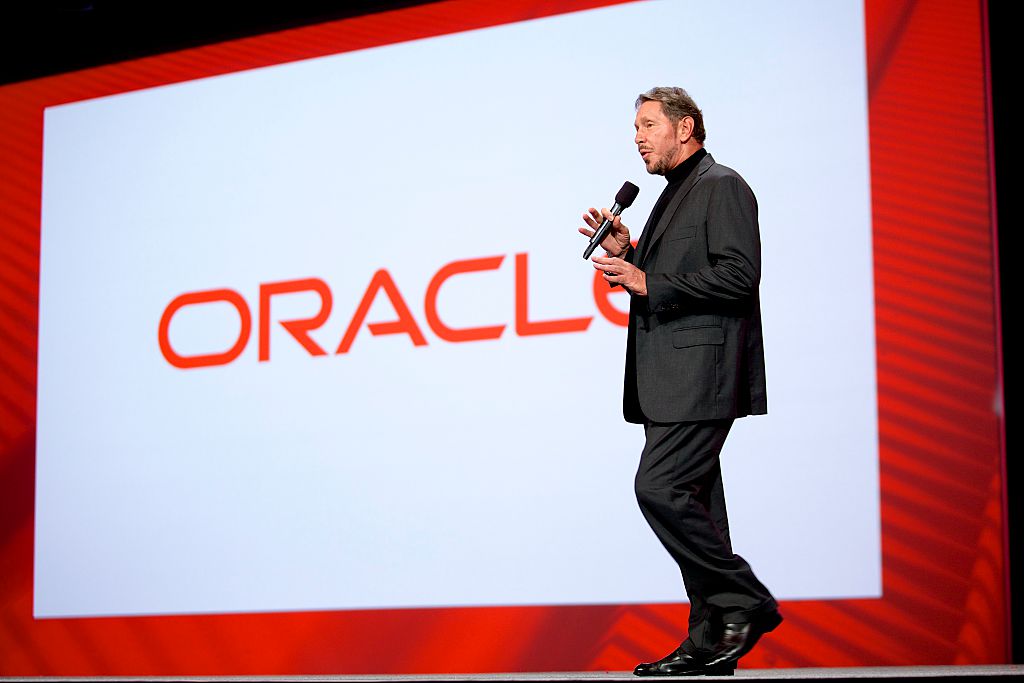
Oracle’s Severance Negotiations and WARN Act Controversy
In a recent wave of layoffs, some Oracle employees who lost their jobs attempted to negotiate improved severance packages. These workers were also concerned about their eligibility for protections under the Worker Adjustment and Retraining Notification (WARN) Act, which mandates a two-month notice period before mass layoffs. However, Oracle declined their requests, citing specific classifications that affected severance eligibility.
Remote Worker Classification Affects WARN Act Benefits
A number of the laid-off employees discovered they did not qualify for WARN Act protections. Oracle had classified these workers as remote employees, which impacted their eligibility for the two-month advance notice typically required under the Act. This classification has been a point of contention, as it influences severance negotiations and the timing of layoffs.
Implications for AI-Driven Workforce Changes
This situation at Oracle highlights broader trends in how companies are managing workforce reductions amid increasing automation and AI integration. As enterprises adopt artificial intelligence tools to optimize operations and reduce costs, human roles are evolving, and so are the legal and ethical considerations around layoffs and severance.
AI’s role in transforming work environments may lead to more remote positions and flexible work classifications, but this also raises questions about employee protections and rights in a shifting labor landscape.
What This Means for Workers and Employers
- Workers: Need to understand how classifications like remote work impact their legal protections and severance rights.
- Employers: Must navigate labor laws carefully as they integrate AI tools and adjust workforce structures.
As AI continues to reshape industries, the dialogue between employees and companies regarding fair treatment during layoffs is increasingly important. Oracle’s recent case underscores the complexities involved when traditional labor protections intersect with modern work arrangements influenced by AI and remote work trends.
Fonte: ver artigo original

 xAI’s Grok Build breach turns into an open-source gambit
 European Commission Launches Antitrust Investigation into Meta’s WhatsApp AI Policy
 NeoPrompt: Revolutionizing App Development with AI-Powered No-Code Platform
 Walmart Implements Usage Limits on AI Assistant to Control Rising Costs