Introduction: AI’s Quiet Revolution in HR
While much attention around artificial intelligence focuses on customer-facing products and automation spectacles, many enterprises are finding AI’s most impactful applications within their internal operations. Human resources (HR), with its structured workflows and regulatory demands, is emerging as a key area for AI adoption. The telecommunications giant e& exemplifies this trend by transitioning its HR processes to an AI-driven model aimed at enhancing efficiency and standardizing operations.
e&’s AI-First HR Transformation
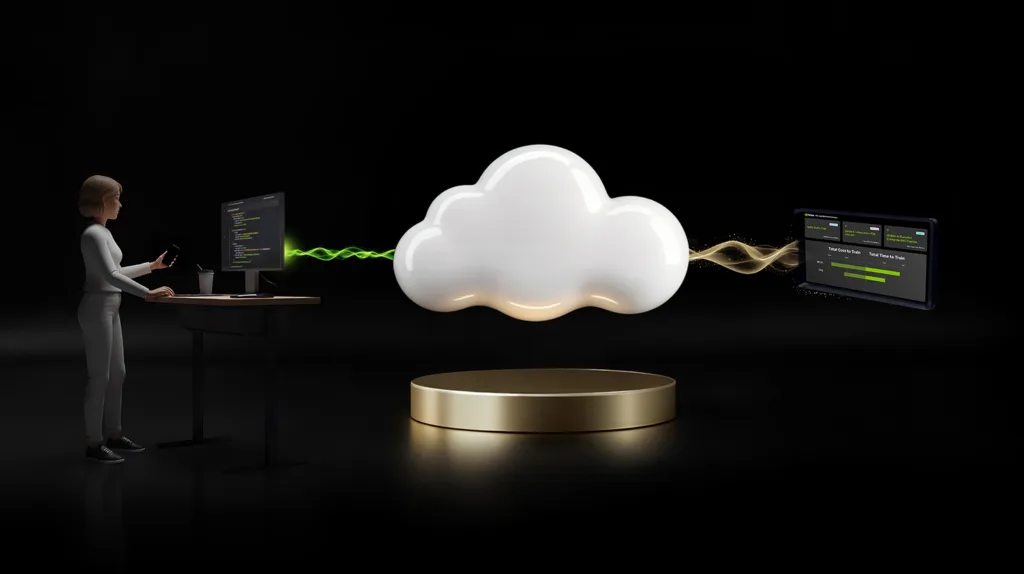
e& has embarked on a significant digital transformation, shifting HR operations for approximately 10,000 employees onto an AI-first platform. This transition utilizes Oracle Fusion Cloud Human Capital Management (HCM) hosted on an Oracle Cloud Infrastructure dedicated region. Rather than implementing isolated AI features, e& is reengineering HR workflows—such as recruitment screening, interview scheduling, and personalized employee learning recommendations—through automated and AI-enhanced tools. The initiative aims to streamline processes across different regions and provide managers with rapid access to actionable workforce insights.
Why HR is Ideal for AI Integration
Human resources presents a logical starting point for enterprise AI due to its highly repeatable tasks and rich, consistent data sets. Activities like candidate matching, onboarding, leave management, and training assignments follow predictable patterns, making them amenable to automation and AI modeling. Furthermore, deploying AI in HR allows companies to test governance, reliability, and user acceptance in a controlled setting before expanding AI use into more sensitive business areas.
Balancing Innovation with Compliance
The choice of deploying the system within a dedicated cloud region underscores e&’s commitment to compliance and data sovereignty. Given that HR data intersects with privacy laws, employment regulations, and corporate governance—especially for multinational firms—operating AI tools in a secure, compliant environment helps mitigate risks while enabling innovation.
Governance and Risk Management in Enterprise AI
e&’s HR AI adoption reflects a broader enterprise trend favoring internal transformation over external disruption. While customer-facing AI carries reputational risks if it malfunctions, HR systems operate behind the scenes and can be more easily monitored and audited. According to Deloitte’s 2026 State of AI in the Enterprise report, organizations are increasingly moving AI projects from pilot phases into production, with administrative workflows among the earliest beneficiaries of scalable AI deployment.
Introducing AI Assistants to HR Workflows
AI-powered digital assistants are set to play a vital role in e&’s HR operations by handling routine employee inquiries related to policies, benefits, and training options. These conversational agents have the potential to reduce manual workloads and accelerate access to information, although their effectiveness will depend on accuracy, oversight, and smooth integration with existing HR systems.
Scaling AI and Its Impact on HR Roles
The infusion of AI extends traditional HR automation by adding predictive analytics, pattern recognition, and decision support capabilities. This expansion raises important governance questions around data quality, bias, and auditability. Moreover, AI changes the nature of HR work rather than eliminating it—freeing professionals from repetitive coordination tasks to focus on policy interpretation, employee engagement, and exception management. Clear escalation protocols and human oversight remain essential to ensure balanced reliance on AI outputs.
Deploying AI at the scale of thousands of employees transforms it from an experimental tool into critical operational infrastructure. This scale forces organizations to address challenges such as reliability across jurisdictions, multilingual support, and compliance with varying regulatory frameworks.
Conclusion: Workforce Operations as AI’s Gateway in Enterprises
Workforce systems offer a compelling mix of structured data, repeatable processes, and measurable results, creating an ideal environment for AI-driven automation complemented by human judgment. The experience of early adopters like e& will likely influence the pace at which other internal functions, including finance and procurement, embrace AI technologies for operational transformation.
Photo credit: Zulfugar Karimov
Related reading: Barclays bets on AI to cut costs and boost returns
Fonte: ver artigo original

Related Articles
 Salesforce Bolsters AI Enterprise Offering with $3.6B Acquisition of Fin
 Apple Unveils STARFlow-V: A Novel Approach to Generative Video Without Diffusion Models
 India Accelerates Digital Transformation with 43rd Digital Transformation Summit 2026
 Google Gemini Gains Ground as ChatGPT Sees Decline in Web Traffic, Report Reveals