Robots at CES: A Preview of AI’s Emerging Directions
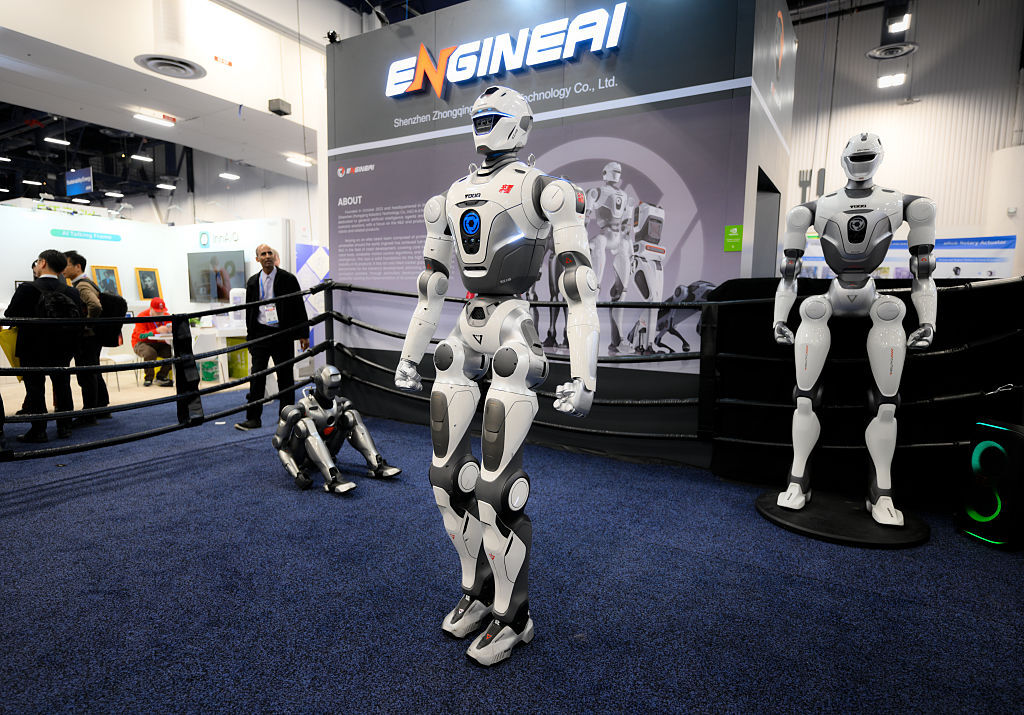
The Consumer Electronics Show (CES) continues to be a premier event where technology companies unveil innovative products and concepts. Among the highlights this year were numerous robots that, while sometimes unusual in design and function, offer visitors an intriguing look at where artificial intelligence (AI) and robotics might be headed.
Robots as Indicators of AI Progress
Though many of the robots on display do not yet represent technologies ready for widespread commercial deployment, they serve as experimental platforms and public previews of their creators’ ambitions. These machines often embody advancements in AI that could soon influence various sectors, from productivity tools to healthcare and customer service.
Exploring AI’s Impact on Everyday Life
The presence of these robots at CES underscores the growing role of AI in daily activities and professional environments. As AI tools become more sophisticated, they are increasingly integrated into work settings, enhancing productivity and automating routine tasks. Robots demonstrated at the event hint at future AI assistants that can interact naturally with humans, offering support in education, freelancing, and small business management.
Industry Trends Reflected in Robotic Innovations
The diversity of robots at CES reflects broader trends in AI development, including:
- AI Assistants and Productivity Apps: Robots designed to help with scheduling, communication, and task management.
- AI in Healthcare and Mental Health Support: Machines capable of monitoring health parameters or providing therapeutic interactions.
- AI for Recruitment and Hiring: Robots that could streamline candidate assessment and interviews.
- Security and Surveillance: Automated systems enhanced by AI to improve safety.
The Road Ahead for AI and Robotics
While some may question the practicality or immediacy of these robotic concepts, they are valuable indicators of future AI applications. Companies use such prototypes to test new AI capabilities, explore user interactions, and anticipate market needs. As AI continues to evolve rapidly, these developments could lead to significant shifts in how humans work, communicate, and live.
Fonte: ver artigo original

Related Articles
 Thousands of Rare Concert Recordings Uploaded to Internet Archive by Longtime Music Enthusiast
 OpenAI Introduces New AI-Powered Personal Finance Experience in ChatGPT for U.S. Pro Users
 Zara’s Integration of AI Highlights Subtle Shifts in Retail Workflows
 Rapid Data Center Expansion Puts Microsoft’s Sustainability Ambitions at Risk