
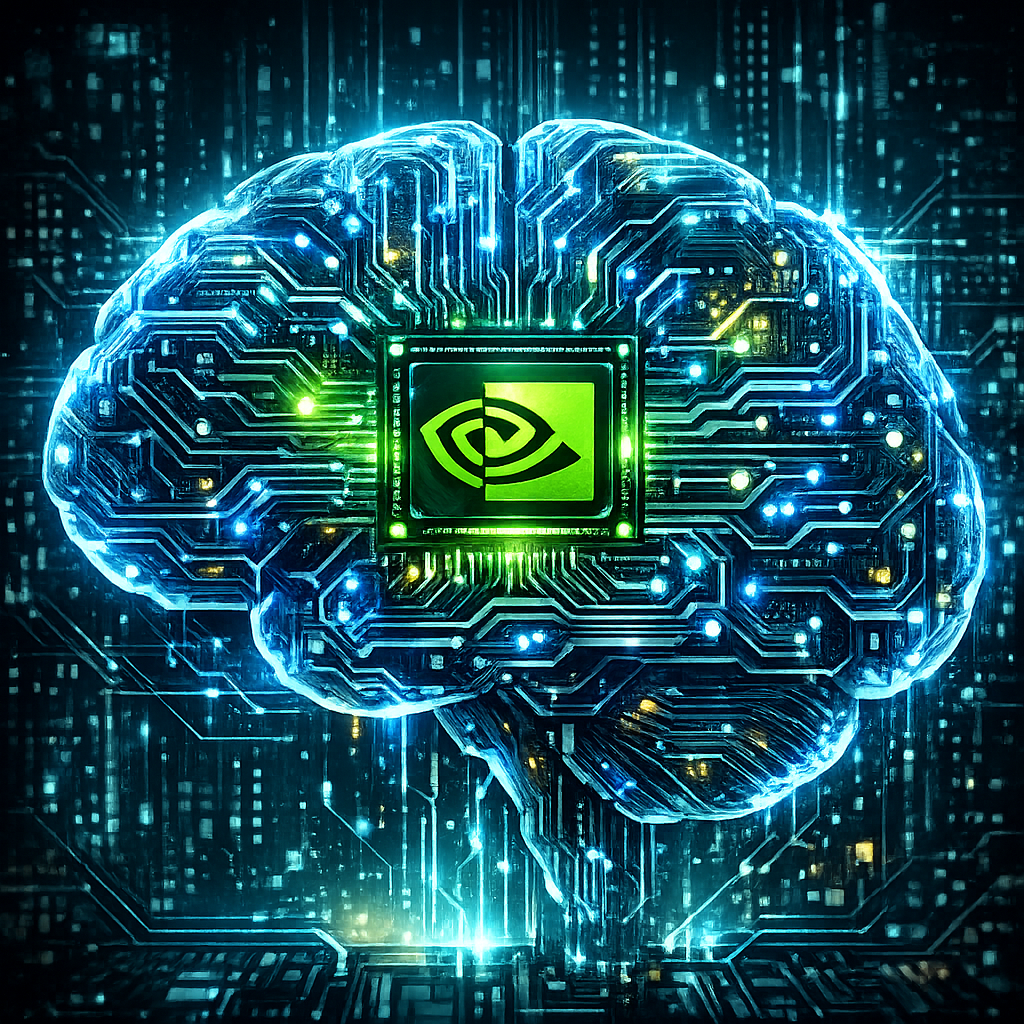
NVIDIA’s Quiet Domination of the AI Landscape
Artificial intelligence is touted as the future’s great equalizer—an open frontier for innovation and discovery. Yet, behind the scenes, one company quietly controls the hardware that drives nearly every breakthrough in AI: NVIDIA. Their GPUs power the largest models and datasets, making them an unassailable gatekeeper. But is such concentrated power healthy for AI’s future?
The Power Behind AI Innovation: More Than Just Chips
On the surface, NVIDIA is a hardware company. Yet, in the AI race, hardware equals control. Without access to NVIDIA’s cutting-edge chips, startups and even tech giants struggle to train competitive models. This hardware bottleneck creates a monopoly that stifles competition and funnels innovation through a narrow pipeline.
Does NVIDIA’s Monopoly Threaten the Spirit of Open Source and Collaboration?
The AI community often champions open source as the last bastion against corporate control. But even open-source AI projects depend on NVIDIA’s proprietary chips. This raises a troubling question: can true innovation flourish when the foundational infrastructure is so tightly controlled?
What About AI Ethics and Governance?
NVIDIA’s role isn’t just technical; it’s political. As AI becomes intertwined with societal decisions, the power to enable or restrict AI capabilities puts companies like NVIDIA in a position to influence AI governance indirectly. Should this hardware monopoly bear responsibility for the ethical implications of AI development?
Is the Future of AI Innovation Slowing Down?
When one company dominates production of critical AI hardware, innovation risks becoming incremental and risk-averse. The vibrant competition that fuels breakthroughs may be replaced by strategic control, licensing battles, and hardware shortages. This monopolistic grip could slow down the very progress AI promises.
Can the Industry Break Free?
Alternatives exist—new chipmakers, open hardware designs, and different architectures—but their impact remains marginal. The question is whether the AI ecosystem can pivot before NVIDIA’s dominance cements itself beyond challenge, effectively writing the rules of AI’s future.
Final Thoughts: Who Controls AI Controls the Future
Sam Altman, Elon Musk, and other AI visionaries might dominate headlines, but the true power lies with those controlling the hardware backbone. NVIDIA’s monopoly isn’t just a tech story; it’s a cautionary tale about concentrated power in the AI era. If we don’t confront this reality, we risk handing over AI’s future to a single company’s interests rather than humanity’s collective potential.

Related Articles
 OpenAI to Retire Popular GPT-4o Model from API Access by February 2026
 Nvidia Unveils Rubin: A Cutting-Edge AI Chip Architecture Revolutionizing Computing
 Microsoft Launches Three New Foundational AI Models to Challenge Industry Rivals
 Sony AI’s Ace Robot Triumphs Over Top Players in Table Tennis, While Humanoid Robots Shine in Beijing Marathon


