Meta’s Strategic Move into Electricity Trading
Meta Platforms Inc., the parent company of Facebook and Instagram, is set to broaden its operational scope by entering the electricity trading business. This initiative aims to accelerate the construction and integration of new power plants dedicated to supplying energy for its extensive network of data centers worldwide.
Context Behind the Decision
As the demand for cloud computing and AI services continues to surge, technology giants like Meta require vast amounts of reliable and sustainable energy. Data centers, which form the backbone of AI infrastructure and digital services, are highly energy-intensive. To meet these requirements sustainably, Meta is focusing on renewable energy sources, aligning with its long-term climate commitments.
Traditionally, Meta has secured renewable energy through power purchase agreements (PPAs) with utility companies and independent producers. However, the company now appears to be shifting towards a more active role in managing energy supply by engaging directly in electricity trading markets. This move could allow Meta to optimize costs, ensure energy availability, and accelerate the deployment of new renewable projects.
Implications for AI Infrastructure and Sustainability
Meta’s expansion into electricity trading underscores the critical intersection between AI infrastructure demands and energy management. The company’s data centers support advanced AI workloads, including large language models (LLMs) and multimodal AI systems that process text, images, audio, and video. Efficient and sustainable power supply is essential not only for operational continuity but also to mitigate the environmental impact of these compute-intensive processes.
By taking control of energy procurement and trading, Meta could influence how energy markets evolve, potentially encouraging greater adoption of green energy sources. This aligns with broader industry trends where technology leaders are pursuing vertical integration to control more aspects of their supply chains, including energy.
Industry and Market Perspectives
Meta’s entry into electricity trading could signal a new phase of energy market participation by tech companies, which are among the largest corporate consumers of electricity globally. This strategy may prompt competitors like Google, Microsoft, and Amazon to explore similar approaches, intensifying the interplay between technology and energy sectors.
Experts note that while electricity trading can be complex and subject to regulatory scrutiny, Meta’s substantial resources and technical expertise position it well to navigate these challenges. Additionally, involvement in energy markets may provide Meta with greater leverage to influence energy policy and promote sustainable practices.
Quotes and Commentary
- Mark Zuckerberg, CEO of Meta, has previously emphasized the company’s commitment to sustainability, stating that “powering our data centers with clean energy is vital to our mission to build the future responsibly.”
- Energy market analysts suggest that Meta’s move could “reshape how large-scale tech companies integrate energy management into their operational strategies,” potentially accelerating renewable energy adoption across the industry.

Related Articles
 Salesforce Unveils New AI-Powered Slackbot to Compete with Microsoft and Google in Enterprise AI
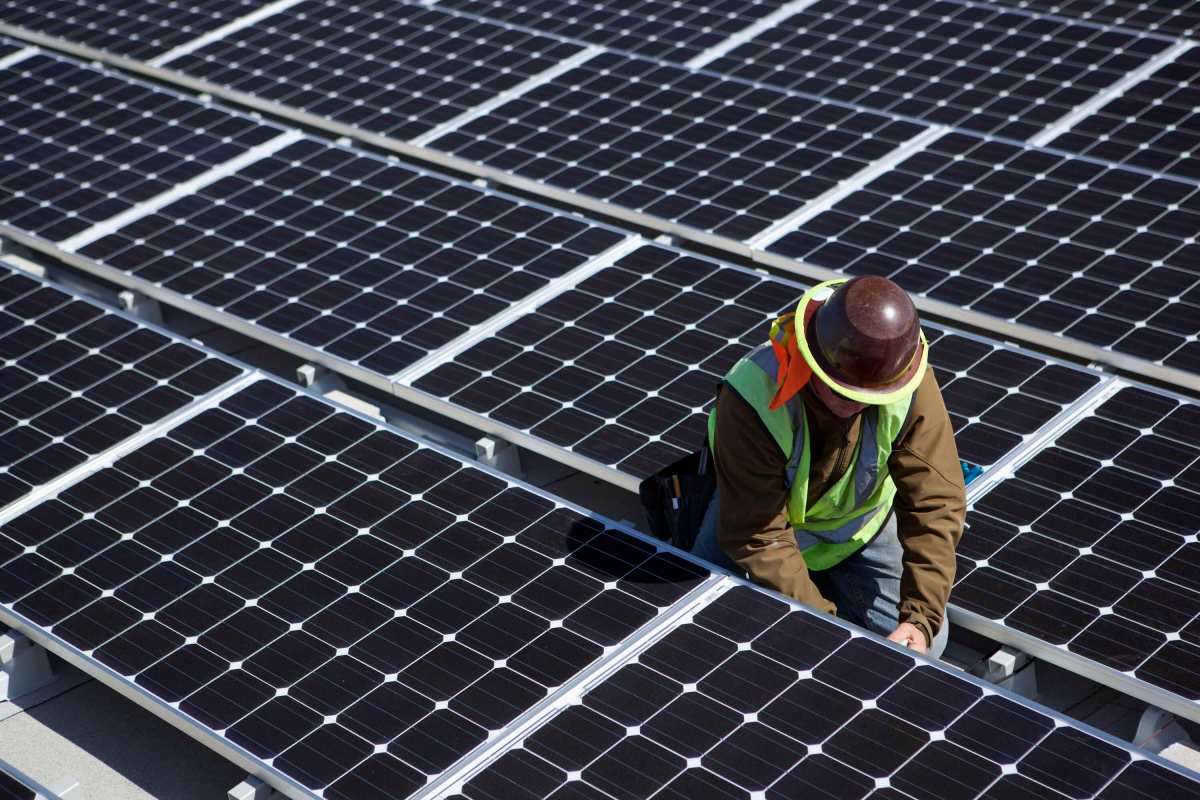 Meta Expands Solar Energy Supply to Power New AI Data Center in South Carolina
 Microsoft’s Rapid Data Center Expansion Puts Sustainability Ambitions at Risk Amid AI Boom
 China Accelerates AI Integration to Transform Its Energy System