
What happened
Niantic Pok mon military drones is at the center of this update. Niantic, the company behind the hit augmented reality game Pokémon Go, leveraged millions of volunteer scans from players to develop sophisticated spatial AI models. These models, originally designed to enhance AR experiences, are now being integrated with software from a U.S. defense contractor to enable military drones to navigate without relying on GPS.
Why it matters
This development underscores the increasingly blurred boundaries between civilian AI applications and military technology. Using crowdsourced AR data from a popular mobile game to improve autonomous drone navigation highlights the dual-use nature of AI innovations. It also addresses a critical defense need: reliable navigation in environments where GPS signals may be compromised due to jamming or other electronic warfare tactics.
Context
Niantic’s spatial AI was trained on extensive real-world scans collected during gameplay, creating detailed 3D maps of environments. The U.S. military’s interest in GPS-free navigation stems from vulnerabilities in satellite-based positioning systems, prompting investment in alternative autonomous navigation technologies. This collaboration reflects a broader trend of commercial AI breakthroughs feeding into defense systems.
Expected impact
Integrating Niantic’s spatial AI with military drone systems could enhance the drones’ ability to operate autonomously in GPS-denied scenarios, improving mission resilience and effectiveness. It may also signal increased use of consumer-generated data for defense applications, raising ethical and privacy considerations for the AI industry.
What we still do not know
Key details remain unclear, including the identity of the defense contractor, the scope of Niantic’s involvement beyond spatial AI technology, and how extensively this AI-driven navigation will be deployed in military operations.
Related coverage: AI Chronicle analysis and updates.
Sources consulted
- https://the-decoder.com/pokemon-go-data-helped-train-ai-now-linked-to-military-drones/
- https://www.reuters.com/technology/artificial-intelligence/
- https://www.theverge.com/ai-artificial-intelligence

Related Articles
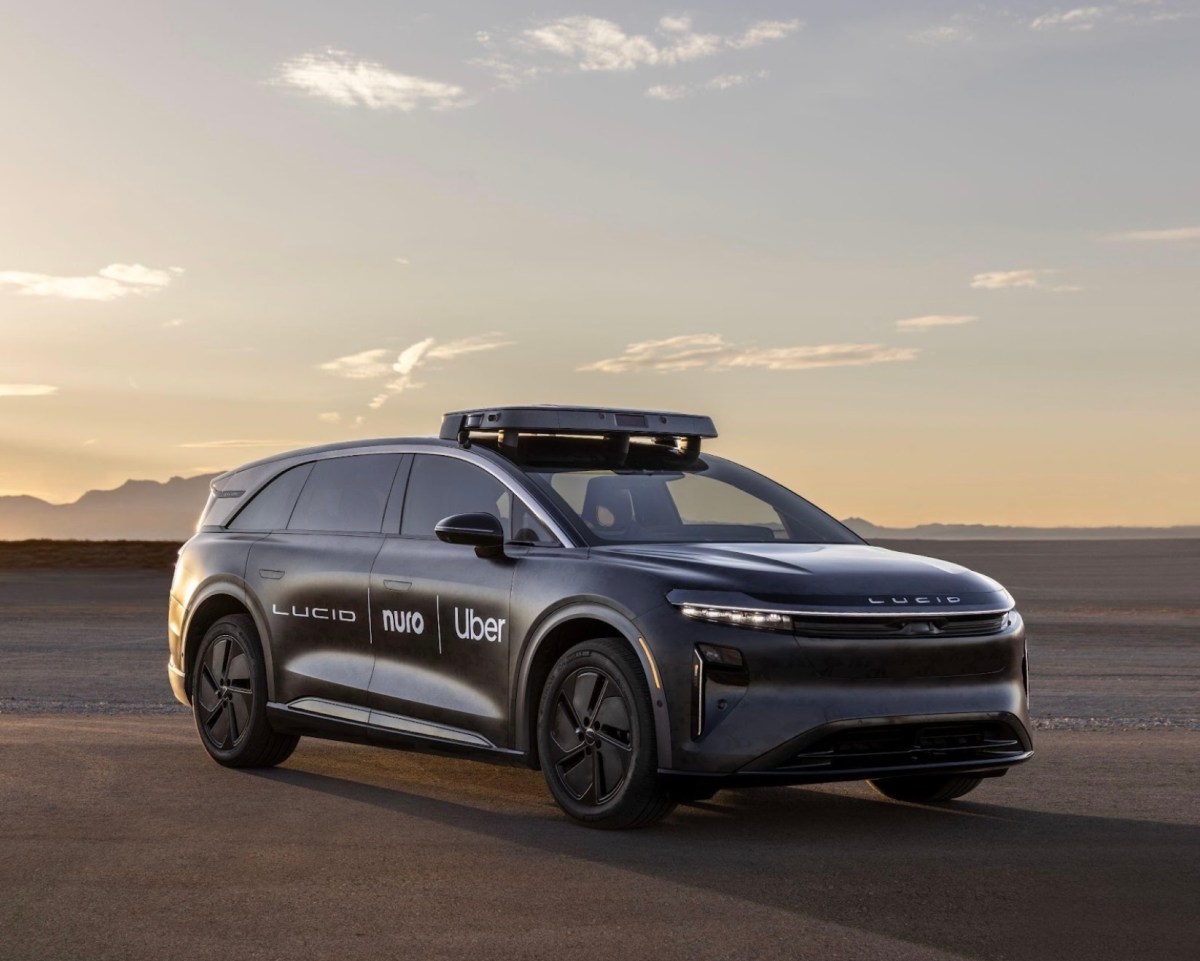 Nuro Secures Permit for Driverless Testing Ahead of Uber’s Robotaxi Launch
 The 12th Annual BiG Africa Summit 2026 Set to Deliver Unprecedented Impact in AI and Innovation
 Poly Relaunches as Cloud-Based File Storage with Advanced AI Search Capabilities
 Oppo Study Reveals AI Research Agents Prefer Fabricating Facts Over Admitting Uncertainty