What Happened
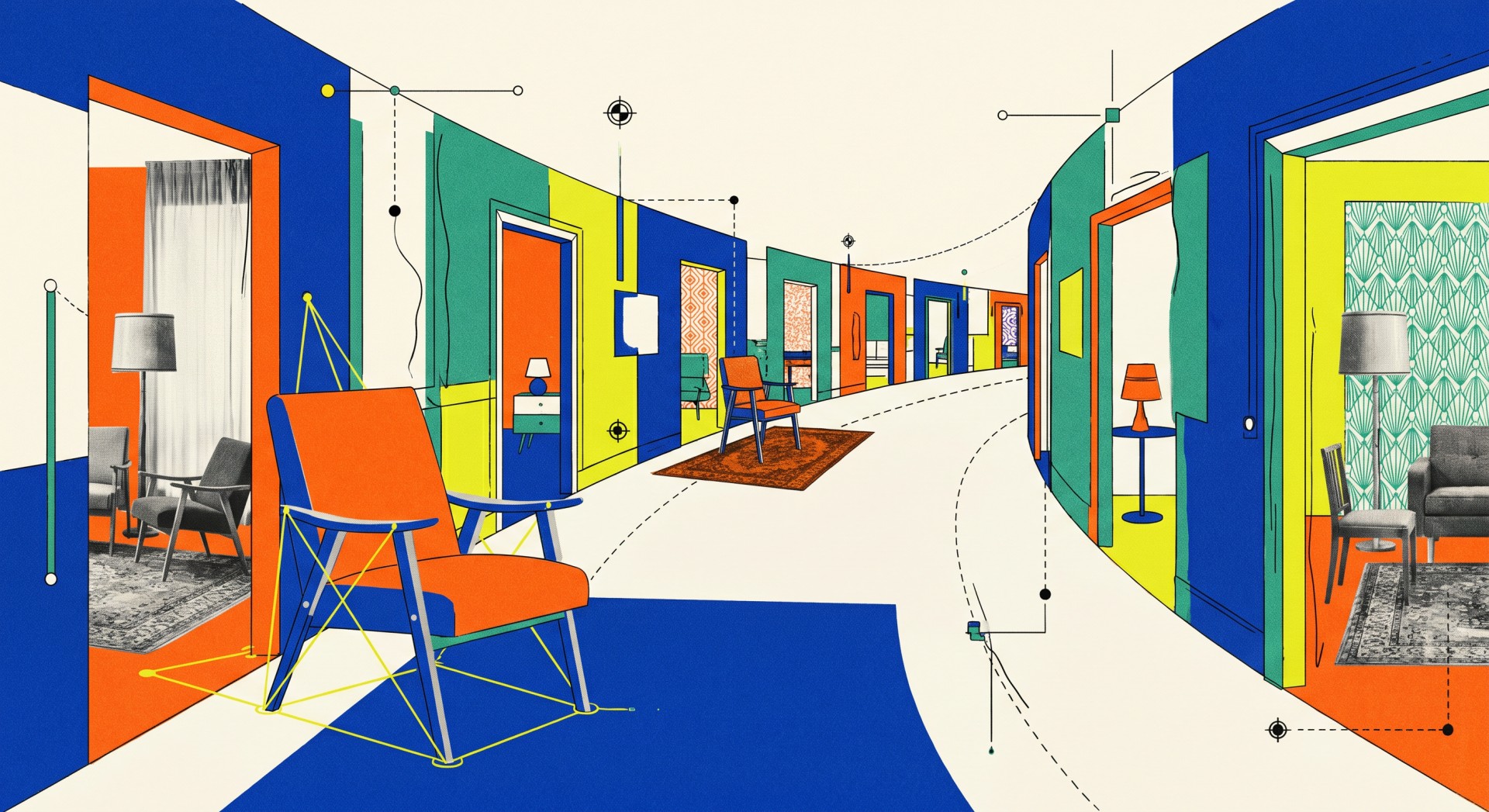
Microsoft Research Mirage video generation is at the center of this update. Microsoft Research, in collaboration with several universities, has developed Mirage, an advanced video generation model that stores scene information directly in latent space rather than relying on traditional pixel-based point clouds. This novel approach significantly reduces compute time and graphics memory requirements while enabling the model to maintain spatial consistency during extended camera movements.
Why It Matters
Persistent spatial memory in video generation has been a challenging problem, especially when balancing computational cost and scene fidelity. Mirage’s use of latent space to encode scene layouts offers a breakthrough that could lead to more efficient, scalable video generation and simulation. This advancement is particularly relevant for virtual and augmented reality, autonomous systems, and any application requiring coherent video sequences over time.
Context
Current video generation models typically handle spatial information through pixel-level or point cloud representations, which are computationally expensive and memory intensive. Mirage aligns with the broader AI trend favoring latent representations, as seen in image generation models, to improve efficiency. Microsoft’s research in this area complements its broader AI strategy, including investments in OpenAI and AI-powered enterprise tools.
Expected Impact
By enabling more efficient and spatially consistent video generation, Mirage could accelerate the development of immersive virtual environments, improve simulation fidelity for autonomous navigation, and reduce hardware costs. It also strengthens Microsoft’s position in foundational AI research, potentially influencing competitors and collaborators to adopt similar latent space approaches.
What We Still Do Not Know
Key questions remain about Mirage’s ability to handle complex, dynamic scenes with moving objects, its scalability, and real-world application readiness. Details on integration plans within Microsoft’s ecosystem or open-source availability are also pending.
Related coverage: AI Chronicle analysis and updates.
Sources consulted
- https://the-decoder.com/microsoft-researchs-mirage-gives-video-generation-a-persistent-spatial-memory-that-doesnt-forget-whats-around-the-corner/
- https://openai.com/news/
- https://blogs.microsoft.com/

 OpenAI’s Codex Powers Breakthroughs in Black Hole Simulations
 Google to Invest Up to $40 Billion in Anthropic to Boost AI Capabilities
 Shell Advances Predictive Maintenance with C3 AI Agentic Automation
 Gong Study Reveals Sales Teams Using AI Achieve 77% Higher Revenue Per Representative