Supreme Court Sidesteps Landmark AI Copyright Dispute
As generative artificial intelligence tools become increasingly sophisticated, legal debates over the ownership and copyrightability of AI-created content have gained urgency. This week, the U.S. Supreme Court declined to hear a case that could have set a crucial precedent regarding whether works generated by AI qualify for copyright protection.
The Case at the Center of the Debate
The dispute originated from artwork created using an AI system developed by Stephen Thaler. This artwork sparked controversy over who holds the rights to AI-produced creations—the human operator, the AI developer, or whether such works can be copyrighted at all. The legal uncertainty is emblematic of broader challenges posed by AI’s autonomous creative capabilities.
Implications for Copyright and Creative Ownership
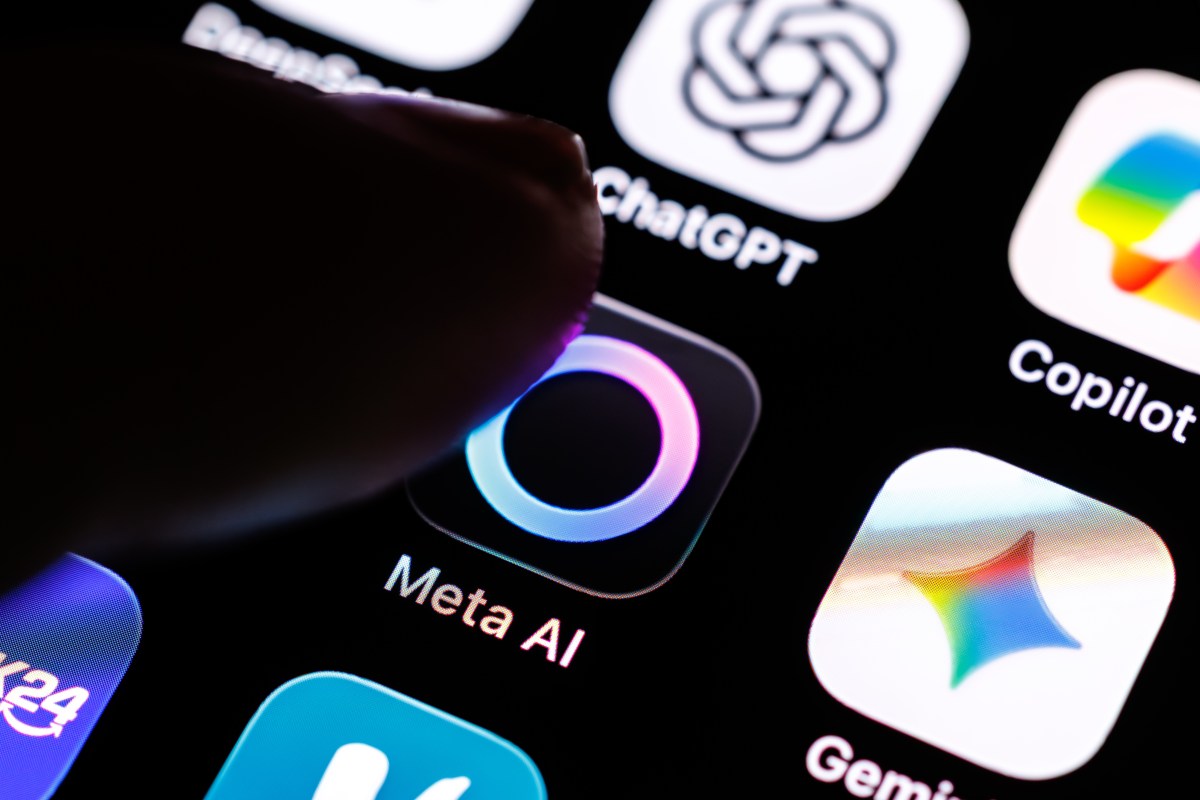
With AI tools like ChatGPT, Gemini, and others now able to independently produce images, text, and music, questions about authorship and intellectual property rights have become more complex. The refusal of the Supreme Court to adjudicate this case means that lower courts and legislative bodies will continue to grapple with these issues without clear federal guidance.
This outcome leaves artists, developers, and businesses in a state of flux as they seek to understand how existing copyright laws apply to AI-generated content. It also raises concerns about the potential for copyright infringement and the protection of human creativity in an era of machine-generated works.
What This Means for the Future of AI and Legal Frameworks
Experts suggest that the Supreme Court’s decision to pass on this case highlights the need for updated legal frameworks that address the nuances of AI-generated content. As AI technologies rapidly evolve, the law must adapt to clarify ownership rights, liability, and protection mechanisms.
Meanwhile, companies and creators are advised to monitor developments closely and consider alternative strategies for protecting AI-assisted creations, such as contracts and licensing agreements, until more definitive rulings or legislation emerge.
Ongoing Challenges in AI and Intellectual Property
- Ownership Ambiguity: Determining who qualifies as an author when AI is involved remains unresolved.
- Legal Protection: Current copyright laws primarily recognize human authorship, leaving AI-generated works in a gray area.
- Innovation vs. Rights: Balancing the encouragement of AI innovation with protecting creators’ rights is complex.
As artificial intelligence continues to reshape creative industries, the intersection of technology and law will be critical to addressing these challenges. The Supreme Court’s recent decision underscores the urgency for policymakers to provide clarity on AI and copyright issues.
Fonte: ver artigo original

Related Articles
 Converge Bio Secures $25 Million Funding to Advance AI-Driven Drug Discovery
 Meta Commits to 100MW Solar Expansion for AI Data Center in South Carolina
 Cryptocurrency Markets Serve as Crucial Testing Ground for Advanced AI Forecasting Models
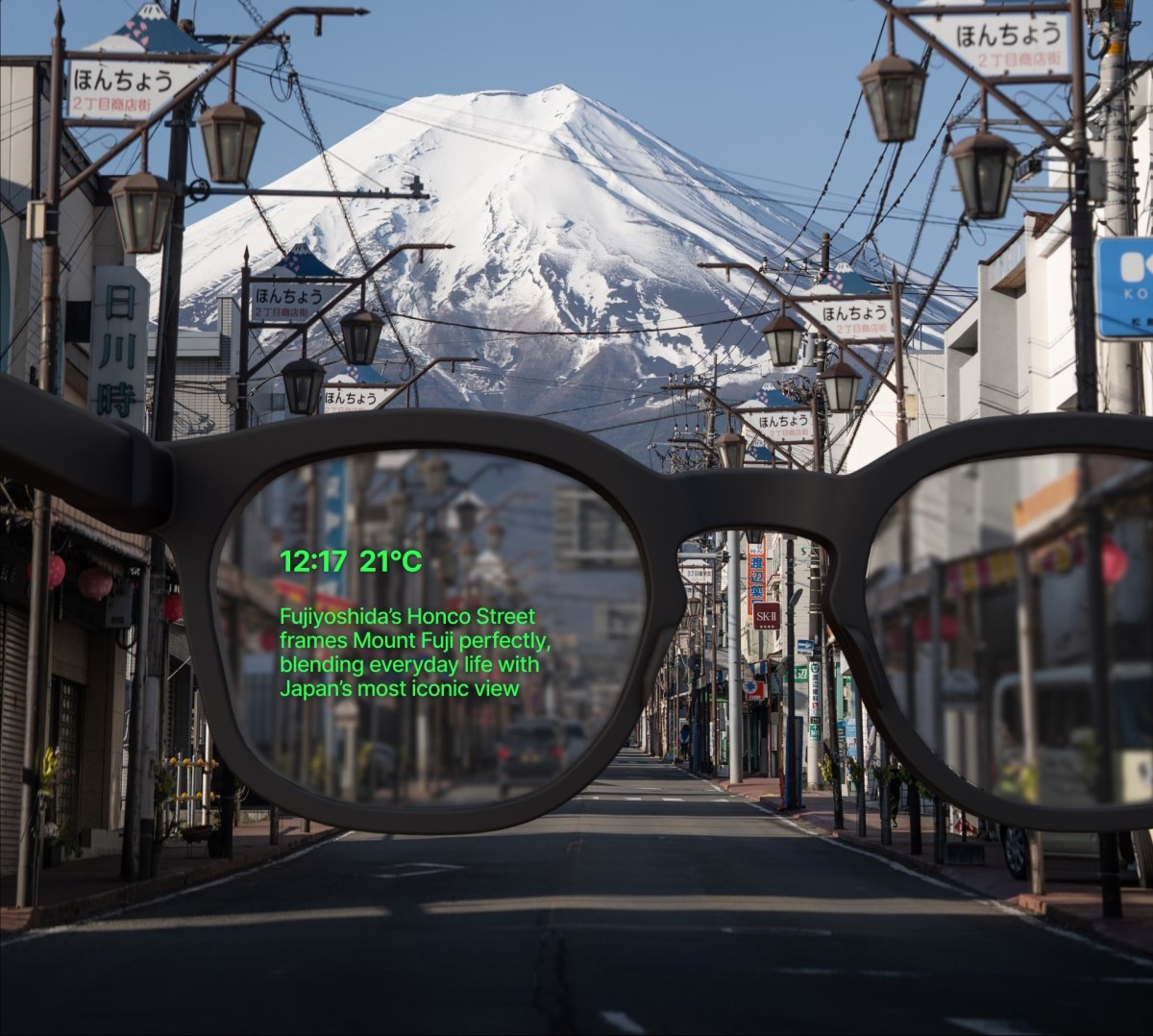 Former Harvard Students Launch AI-Powered Smart Glasses with Always-On Listening Feature