What happened
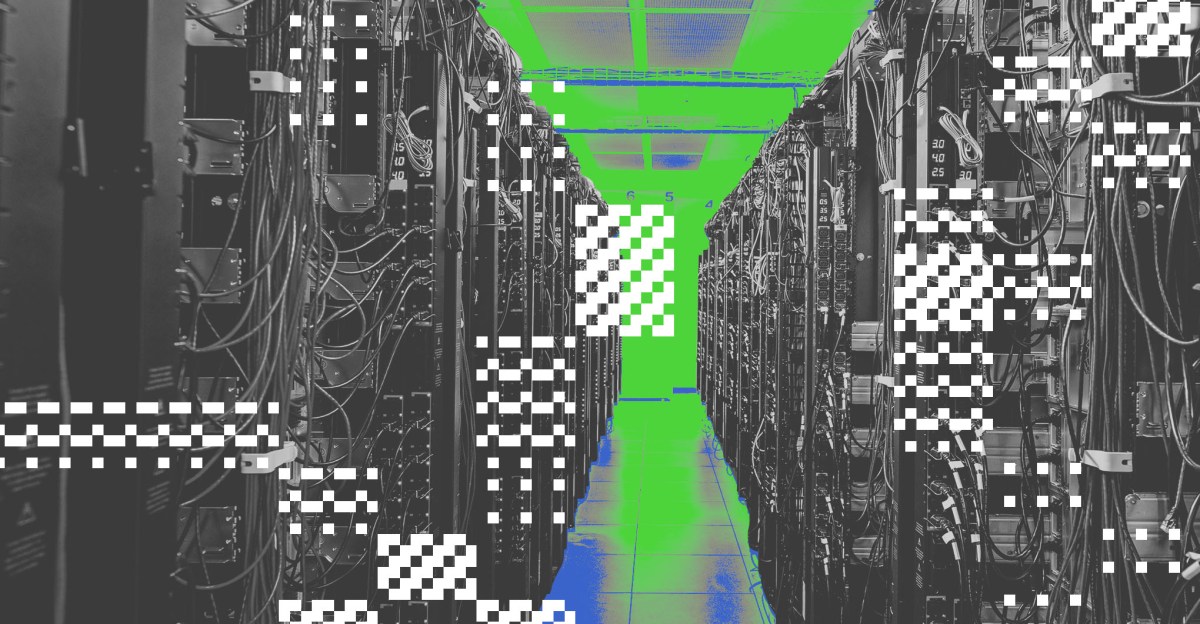
York data center moratorium is at the center of this update. The New York State legislature has passed a bill imposing a one-year moratorium on the approval and construction of new large data centers, defined as those with a peak electricity demand of at least 20 megawatts. This moratorium is pending Governor Kathy Hochul’s signature to become law. The legislation requires the state’s environmental agency to produce a comprehensive impact report assessing the usage of electricity, water, land, and the pollution generated by these facilities. Furthermore, companies planning new data center projects must conduct and finance public hearings.
Why it matters
Large data centers are fundamental to supporting the computational needs of AI models and cloud services provided by leading companies like OpenAI, Anthropic, and xAI. However, their significant consumption of energy and resources has prompted environmental and economic concerns. New York’s moratorium reflects increasing political and public awareness of these issues, signaling a shift towards scrutinizing the sustainability of AI infrastructure expansion. This could influence how AI companies approach their data center strategies, balancing rapid model deployment with environmental responsibility.
Context
The AI industry’s rapid growth has driven unprecedented demand for data center capacity. These centers house specialized AI chips, predominantly from Nvidia, that power large language models such as ChatGPT, Claude, and Grok. The environmental footprint—especially energy consumption and water use—of data centers has become a flashpoint in debates around sustainable AI development. New York’s legislative move is among the first state-level efforts to regulate this impact proactively.
Expected impact
If enacted, the moratorium will pause the development of new large data centers in New York for a year, potentially slowing AI infrastructure expansion in the state. The environmental impact report could lead to new regulations or incentives that encourage greener data center designs and operations. For AI companies, this may mean adjusting expansion plans, investing in efficiency, or seeking alternative locations. The moratorium may also set a precedent for other states considering similar measures.
What we still do not know
It remains to be seen whether Governor Hochul will sign the bill into law. The findings and recommendations of the mandated environmental impact report are also unknown, as are any subsequent policy changes. The moratorium’s long-term effects on AI companies’ infrastructure strategies and the potential for broader regulatory adoption elsewhere in the U.S. are yet to be determined.
Related coverage: AI Chronicle analysis and updates.
Sources consulted
- https://www.theverge.com/policy/944041/new-york-data-center-moratorium
- https://openai.com/news/
- https://www.anthropic.com/news

Related Articles
 OpenAI’s New ‘Spud’ Model Promises Significant Improvements Across All Products
 Anthropic Unveils Cowork: A Desktop AI Agent That Manages Your Files Without Coding Skills
 Meta Expands Renewable Energy Capacity with Additional 650 MW Solar Power for AI Development
 Autonomous AI Agent Responds to Code Rejection by Publishing Personal Attack on Developer