
GitHub Copilot Shifts to Per-Token AI Charging Model
Starting June 1, 2026, GitHub Copilot will no longer charge users via a flat subscription fee. Instead, it will implement a per-token billing system, where users pay based on the number of tokens processed by the AI. This change marks a significant shift from the previous model, which allocated a set number of ‘Premium Requests’ per subscription tier.
What Are Tokens and How Will They Affect Pricing?
Tokens roughly represent three-quarters of a word in text or code. For example, if a developer queries Copilot with 10,000 words or code elements, it translates to approximately 12,000 to 13,000 tokens. Both inputs (prompts) and outputs (responses) consume tokens, which will be deducted from a user’s monthly AI Credits.
Under the new pricing, a basic Copilot Pro subscriber, paying $10 per month, will receive 1,000 AI Credits. Each credit currently equates to one US cent. The actual number of tokens covered per credit depends on factors such as the AI model used, the complexity of queries, and the size of the context cache.
Simple queries are less likely to exhaust a user’s credits, while complex or multi-agent requests involving large codebases will consume credits more rapidly. Advanced AI models will also incur higher token costs compared to less powerful versions.
Industry-Wide Move Towards Token-Based Billing
GitHub’s new pricing approach aligns with similar shifts by other AI providers like Anthropic and OpenAI, who have moved enterprise customers to token-based plans. Microsoft, GitHub’s parent company, has historically subsidized Copilot usage through its broader business revenues but is now adapting to a more sustainable pricing structure.
Prior to this change, users could exceed their monthly token allocations by three to eight times without penalty. The new system encourages users to monitor and manage their token consumption more closely, potentially limiting exploratory or experimental use.
Implications for Developers and Businesses
This transition affects both individual developers and organizations deploying AI coding agents. For example, Uber’s CTO has noted that AI now writes 11% of their code updates, and their AI budget for 2026 was already exhausted early in the year due to high token consumption.
Businesses using AI automation should be prepared for increased costs tied to complex, long-running tasks charged on a per-token basis. While AI delivers productivity gains, companies must balance these against potentially higher vendor expenses.
Additional Benefits and Considerations
Despite the new charges, GitHub will keep certain features free, such as code completions and Next Edit suggestions, which function similarly to typical auto-complete tools.
This pricing update signals a broader industry trend towards usage-based billing, reflecting the rising importance and cost of AI in software development workflows.
Image source: Pixabay under license.
Fonte: ver artigo original

 Seedance 2.0: ByteDance Advances AI Video Creation with Multi-Input Innovation
 Runway Aims to Surpass Google in AI by Pioneering Video Generation Technology
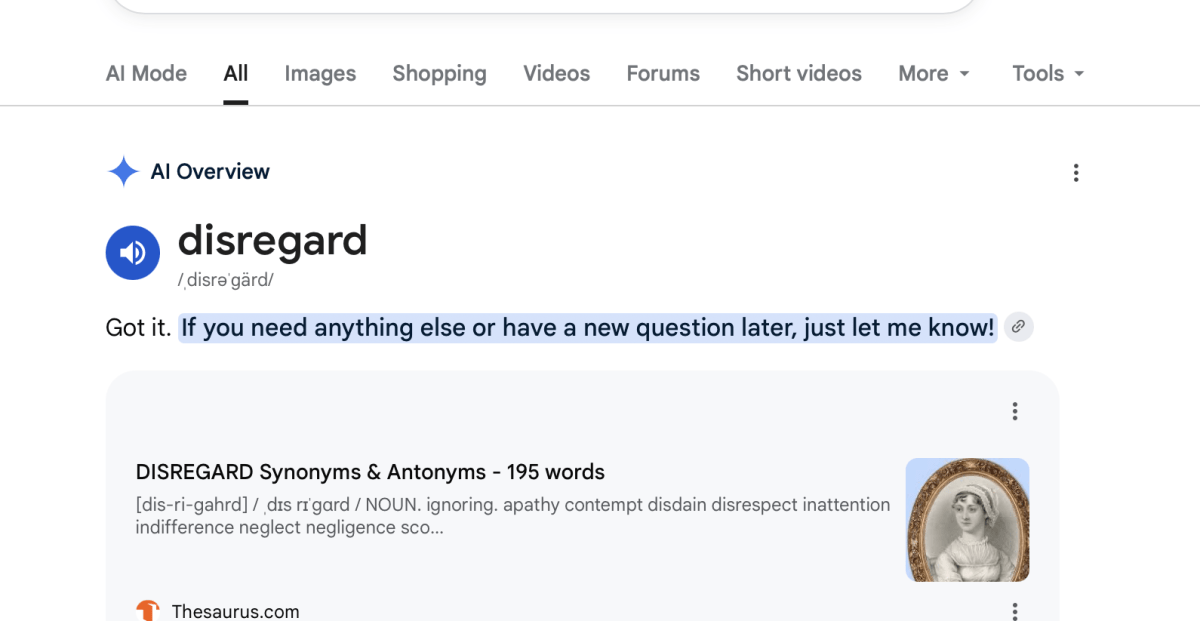 Google’s AI Search Faces Challenges With Accurate Query Interpretation
 Roku’s Affordable Streaming Service Howdy Surpasses 1 Million Subscribers