
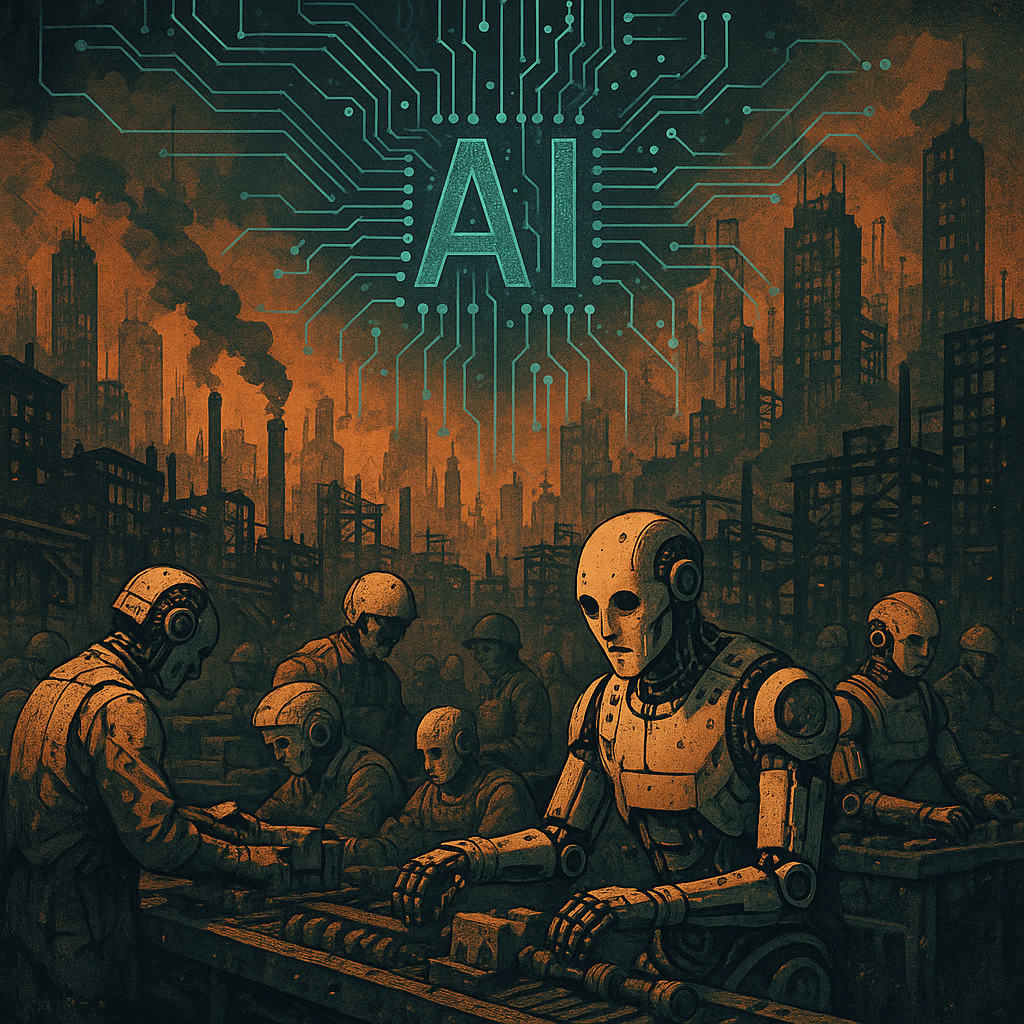
The AI Automation Revolution: Facing the End of Work as We Know It
Artificial intelligence and automation are no longer futuristic concepts—they are here, disrupting industries and rewriting the rules of employment. Yet, despite the mounting evidence, many refuse to admit that the majority of traditional jobs are on a collision course with obsolescence. Why is society so reluctant to confront this reality?
AI and Automation: The Silent Job Killer
Companies are racing to deploy AI-powered systems—from chatbots handling customer service to intelligent agents managing complex workflows. Machine learning models and deep learning algorithms now accomplish tasks previously thought exclusive to humans, such as creative content generation, complex data analysis, and decision-making based on big data. This isn’t just about efficiency; it’s about rendering entire roles redundant.
Which Jobs Are Really Safe?
Conventional wisdom holds that creative professions or those requiring emotional intelligence are immune to automation. But the advent of advanced generative AI and emotional recognition technologies is already challenging this assumption. The myth of human uniqueness in certain job functions is fading fast, as AI models improve in storytelling, voice cloning, and even empathetic virtual assistants.
Why Are Governments and Corporations Silent?
Perhaps it’s political discomfort or fear of social unrest that keeps big tech and policymakers from openly addressing the automation threat. The result is a dangerous lag in regulation and workforce planning. The so-called “regulation theater” around AI often distracts from the systemic upheaval automation is causing in the labor market.
The New Digital Divide: Who Wins and Who Gets Left Behind?
Automation won’t impact everyone equally. Those who master AI tools and understand data-driven decision-making will soar, while others risk being trapped in a new class of digital exclusion. This raises urgent ethical questions about fairness, access, and the future of work. Are we building a utopia of productivity or a dystopia of inequality?
Can Humans Reinvent Their Role in an Automated World?
Some argue that humans will pivot to roles that require creativity, oversight, and nuanced judgment. But isn’t this just wishful thinking? As AI systems grow more sophisticated, the margin for uniquely human labor shrinks. The real challenge lies in reshaping education, social security, and economic structures to prepare for a post-employment era.
Conclusion: Stop Denying and Start Preparing
The AI-driven automation revolution is not a distant threat—it is happening now. Denying this only delays necessary adaptation and exacerbates social risks. It’s time to abandon the comforting illusion that technology will create more jobs than it destroys. Instead, we must engage in honest conversations about what a future without widespread employment looks like and how to navigate it ethically and intelligently.

 TU Darmstadt Researchers Pioneer VOIX Framework to Enhance AI Browsing on the Web
 Top AI-Powered Wearables and Gadgets Transforming Tech in 2025
 How AI CEOs Are Quietly Rewriting the Rules of Power and Society
 Meta Unveils Advanced SAM 3 and SAM 3D Models to Revolutionize Image and 3D Editing with AI

