Microsoft’s Sustainability Goals Under Pressure from AI-Driven Data Center Growth
Microsoft’s aggressive push into artificial intelligence and cloud services is straining the company’s sustainability commitments. The rapid expansion of data centers, essential to support AI workloads such as large language models (LLMs) and real-time chatbots, has significantly increased energy consumption, casting doubt on the tech giant’s ability to achieve its carbon neutrality and renewable energy targets.
Data Centers Powering AI: A Double-Edged Sword
With the rise of AI applications demanding massive computational power, Microsoft has scaled up its data center infrastructure at an unprecedented pace. These facilities, equipped with specialized AI hardware such as GPUs and AI accelerators, are critical to delivering cloud-based AI developer tools and APIs. However, the energy intensity of operating these centers presents a growing sustainability challenge.
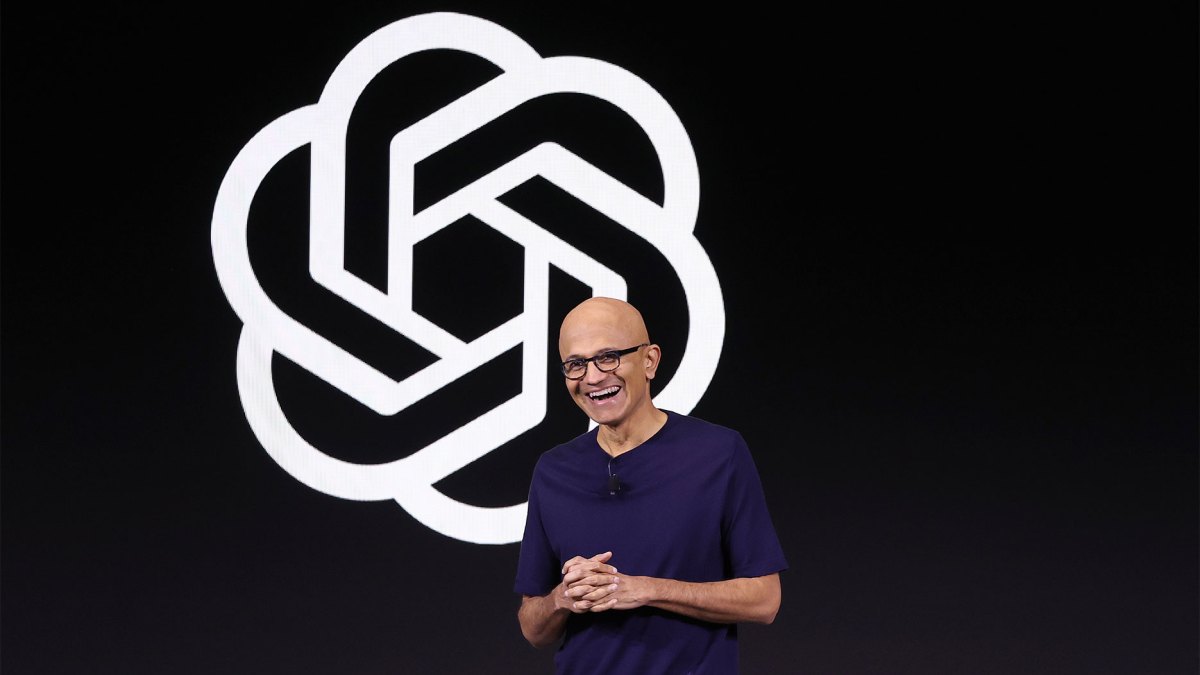
Satya Nadella, Microsoft’s CEO, has acknowledged the tension between innovation and environmental responsibility. In recent statements, he emphasized the company’s commitment to sustainability but admitted that the pace of AI adoption requires rethinking energy strategies and investing more heavily in green technologies.
Industry-Wide Implications and Regulatory Scrutiny
Microsoft’s predicament reflects a broader industry trend where leading tech firms are balancing rapid AI-driven growth with environmental concerns. Regulatory bodies worldwide are increasingly focused on AI’s ecological footprint, prompting discussions on AI policy and sustainable infrastructure standards.
This scenario also intensifies competition among cloud providers, as companies like Google and Amazon similarly expand their AI capabilities while grappling with carbon reduction goals. The challenge extends beyond corporate responsibility, touching on global efforts to regulate AI’s environmental impact.
Technological Innovations and the Path Forward
To address these challenges, Microsoft is investing in next-generation data center designs and exploring renewable energy partnerships. The company is also advancing AI safety and alignment research to optimize workloads and reduce unnecessary computational overhead.
Industry experts suggest that breakthroughs in AI hardware efficiency and multimodal AI models, which combine text, image, and audio processing, could play a crucial role in mitigating energy demands. Additionally, open-source AI communities are advocating for more energy-conscious AI development practices.
Conclusion
Microsoft’s experience underscores the complex interplay between AI innovation and sustainability. As AI technologies become integral to business and society, the pressure mounts on tech leaders to harmonize growth with environmental stewardship. How Microsoft navigates this balance may set a precedent for the entire industry.

Related Articles
 ScaleOps Launches AI Infrastructure Platform to Cut GPU Costs by Up to 70% for Enterprises Running Self-Hosted LLMs
 The 12th Annual BiG Africa Summit 2026 Set to Deliver Unprecedented Impact in AI and Innovation
 Thailand Advances Manufacturing with Industry 4.0 and AI at the 32nd Manufacturing IT Summit
 Railway Raises $100 Million to Revolutionize AI-Native Cloud Infrastructure and Compete with AWS