AI Demonstrates Superior Diagnostic Skills in Emergency Medical Settings
A groundbreaking study conducted by researchers at Harvard University has revealed that artificial intelligence, specifically large language models, can offer more accurate diagnoses in emergency room scenarios compared to human doctors. This discovery highlights the growing influence of AI technologies in critical healthcare environments.
The Study and Its Implications
The research evaluated the performance of AI models across diverse medical cases, focusing particularly on real-life emergency room situations where rapid and precise diagnosis is crucial. According to the study, at least one of the tested AI models consistently outperformed two experienced emergency physicians in diagnostic accuracy.
These findings suggest that AI tools could significantly enhance medical decision-making processes, potentially reducing misdiagnoses and improving patient outcomes in high-pressure environments like emergency departments.
How AI Is Transforming Healthcare
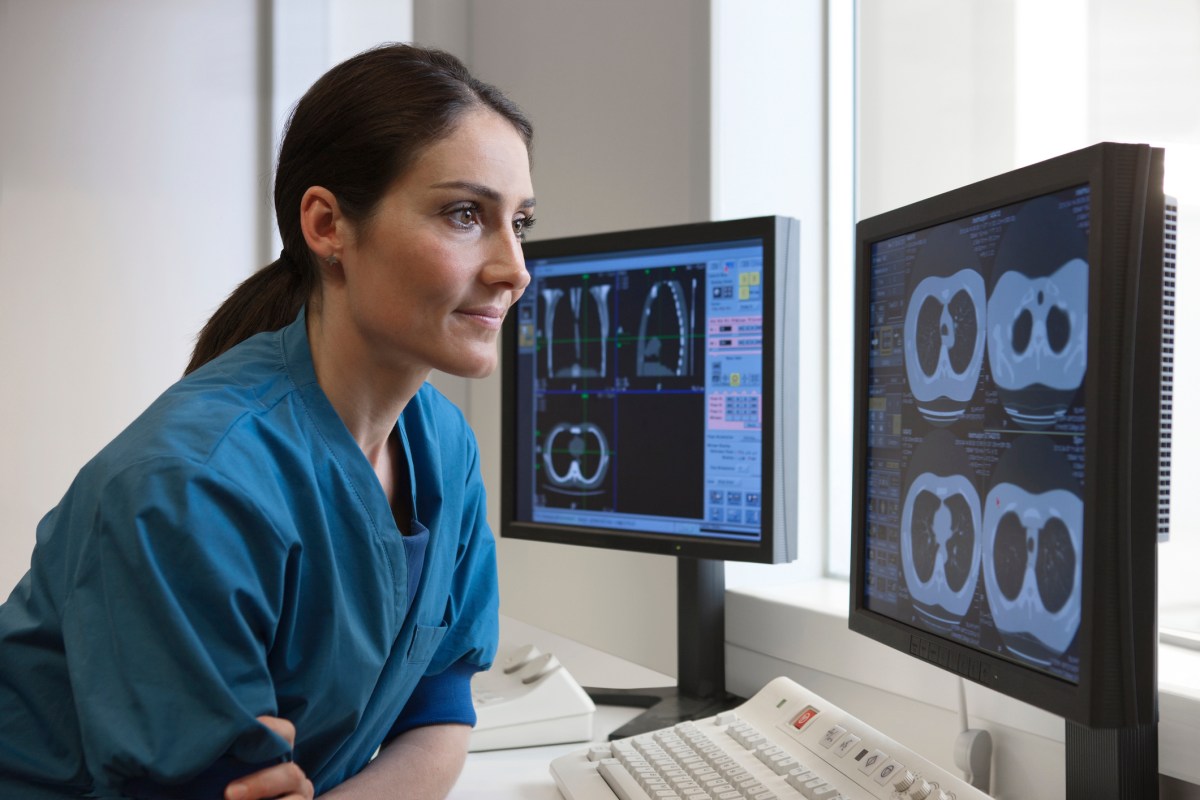
Artificial intelligence has increasingly become a vital resource in healthcare, supporting clinical tasks such as image analysis, treatment planning, and now emergency diagnosis. The ability of AI to process vast amounts of medical data and recognize complex patterns allows it to assist doctors in making faster and more reliable decisions.
Moreover, AI’s role in healthcare extends beyond diagnostics. It offers promising applications in mental health support, personalized medicine, and administrative efficiency, contributing to overall improved healthcare delivery.
Challenges and Considerations
Despite its promising capabilities, integrating AI into emergency medical practice poses challenges. Issues such as algorithmic bias, data privacy, and the need for rigorous validation must be addressed. Additionally, AI systems should complement, not replace, human judgment to maintain ethical and empathetic patient care.
Looking Ahead
The Harvard study serves as a compelling example of how AI can reshape medical workflows and improve healthcare quality. As AI technology continues to advance, its responsible adoption could lead to safer, more efficient emergency care worldwide.
Fonte: ver artigo original

Related Articles
 Colin Angle Reflects on iRobot’s FTC Battle and the Abandoned Amazon Acquisition
 Sam Altman’s World Project Aims to Scale Human Verification, Starting with Tinder
 U.S. Supreme Court Declines to Hear Landmark AI-Generated Art Copyright Case
 Samsung to Reveal Advanced Bespoke AI Kitchen Appliances at CES 2026