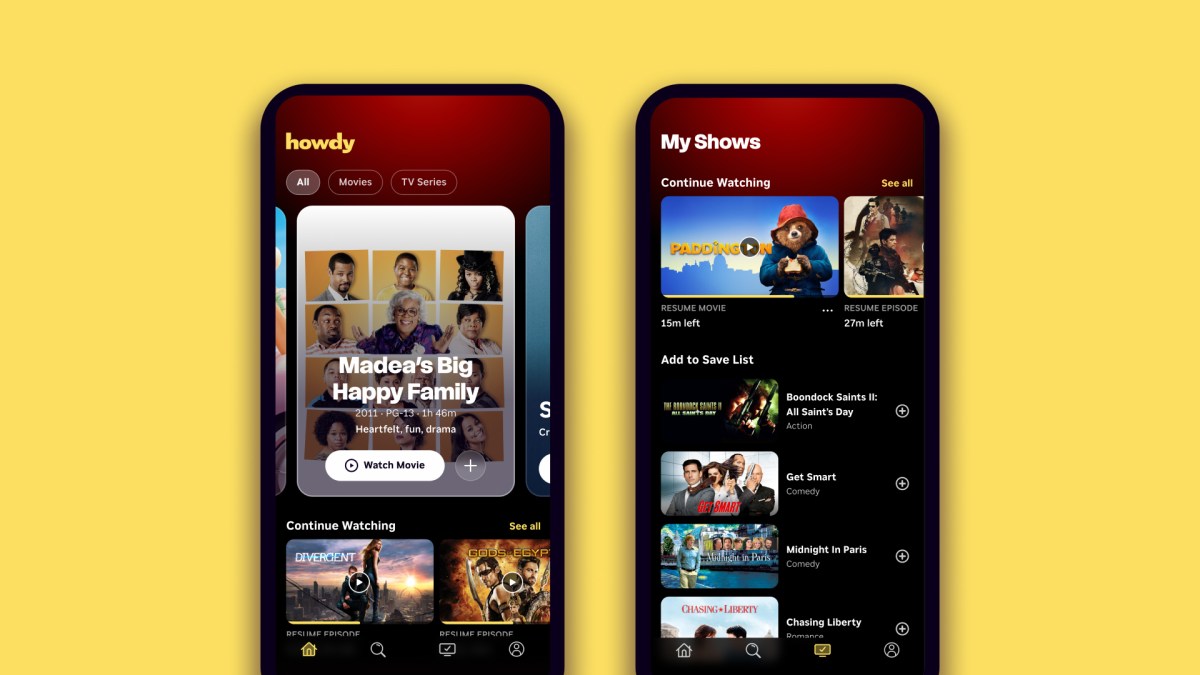
Roku’s Howdy Hits 1 Million Subscribers
Roku’s streaming service Howdy, priced at just $2.99 per month, has recently surpassed the milestone of 1 million subscribers. This achievement underscores a rising consumer demand for affordable and flexible streaming options amid a landscape crowded with more expensive platforms.
Meeting the Need for Low-Cost Streaming
As many households seek to manage entertainment budgets more carefully, Howdy’s low subscription fee offers an attractive alternative to pricier streaming services that often require longer-term commitments. Roku’s strategy taps into a niche of viewers who prefer cost-effective access without sacrificing variety.
Impact on the Streaming Market
The success of Howdy is indicative of a broader shift in consumer behavior, where convenience and affordability are increasingly prioritized. This trend is driving streaming companies to explore more diverse pricing models and packages that cater to different segments of the market.
Potential Role of AI in Streaming Services
While Howdy’s current appeal lies in its pricing, advancements in AI could further enhance user experience by improving content recommendations, optimizing streaming quality, and personalizing interfaces. As AI technologies evolve, they are expected to play a crucial role in helping streaming platforms retain and grow their subscriber bases.
Looking Ahead
Roku’s achievement with Howdy signals an important development in the entertainment industry, where accessibility and affordability are key drivers of growth. The milestone also raises questions about how AI and other emerging technologies will shape the future of streaming, making services more user-friendly and efficient.
Fonte: ver artigo original

Related Articles
 What LG and NVIDIA’s Collaboration Reveals About the Future of Physical AI
 Ocorian Study Reveals Family Offices Increasingly Rely on AI for Financial Data Insights
 Cavela Secures $6.6M to Slash Manufacturing Costs with AI Agents
 Scaling Agentic AI Demands Innovative Memory Architecture to Overcome Infrastructure Bottlenecks