Introduction
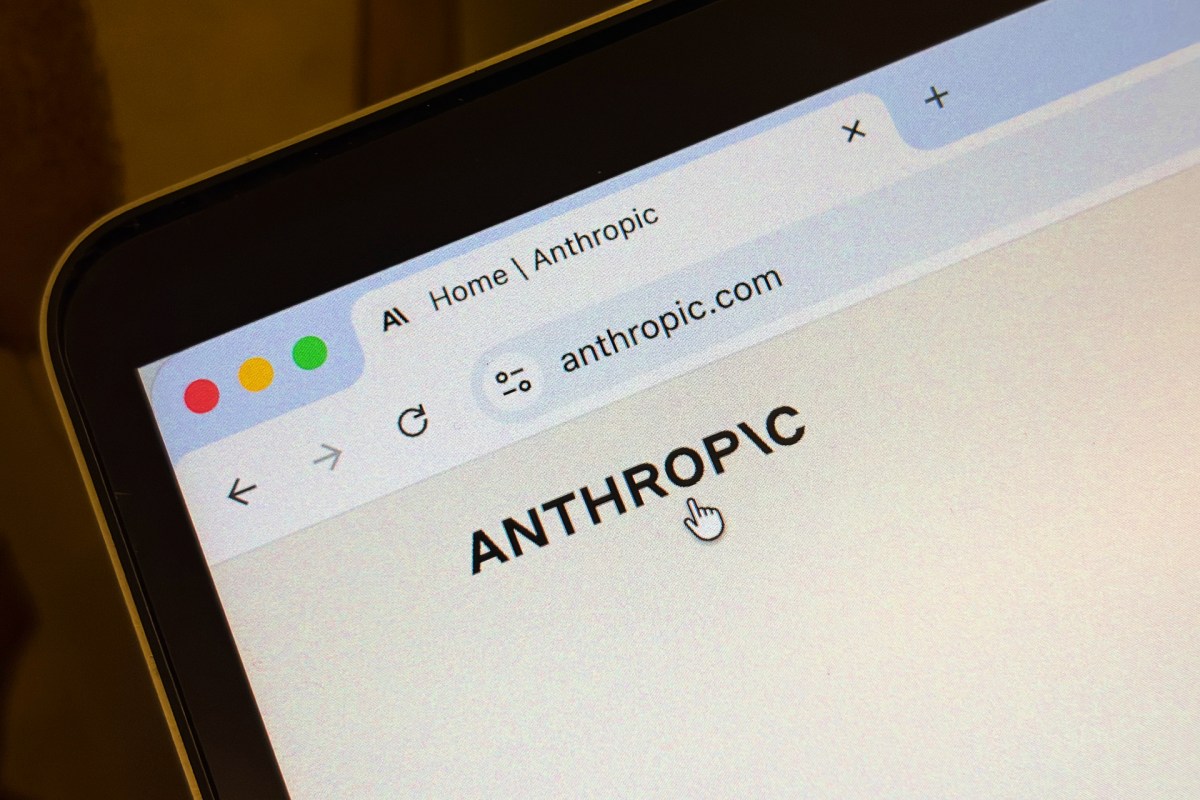
In a surprising development within the AI and financial sectors, reports suggest that officials from the Trump administration might be encouraging banks to test Anthropic’s Mythos model. This promotion comes despite recent warnings from the Department of Defense (DoD), which labeled Anthropic as a potential supply-chain risk. This scenario highlights the complex intersection of government policy, AI innovation, and security considerations.
Anthropic’s Mythos Model and Its Role in Banking
Anthropic, an AI research company, has developed Mythos, an AI model aimed at enhancing productivity and decision-making processes. The model is designed to assist with a variety of tasks, potentially including data analysis, customer service automation, and risk assessment within banks. Given the growing integration of AI tools in everyday work environments, Mythos represents an advanced AI application that could influence how banking professionals operate.
Potential Benefits for Financial Institutions
- Improved Efficiency: Automating routine banking tasks to free up human employees for higher-value work.
- Enhanced Decision-Making: Leveraging AI insights to support credit evaluations and fraud detection.
- Cost Reduction: Using AI to streamline operations and reduce overhead expenses.
Security Concerns and Government Response
The Department of Defense’s classification of Anthropic as a supply-chain risk signals concerns about the security and reliability of AI technologies sourced from the company. Supply-chain risks can include vulnerabilities that might expose sensitive data or disrupt critical operations, which is a significant issue for financial institutions handling confidential consumer information.
This cautionary stance contrasts with the apparent encouragement by some former Trump officials, suggesting a divergence in perspectives within government circles regarding AI adoption and risk tolerance.
Why the DoD’s Warning Matters
- National Security Implications: Financial systems are integral to national infrastructure, and vulnerabilities can have far-reaching consequences.
- Trust and Compliance: Banks must comply with regulatory frameworks that prioritize data security and risk management.
- AI Bias and Reliability: Emerging AI models can sometimes demonstrate unpredictable behavior, making thorough vetting essential before deployment.
Broader Context: AI in Government and Industry
This incident reflects broader debates on how AI is regulated and integrated into critical sectors. While AI promises unprecedented productivity and innovation benefits, balancing these advantages with security risks remains a key challenge.
Furthermore, the situation underscores the ongoing competition among leading AI providers and the influence of political figures in shaping AI adoption strategies.
Conclusion
The potential encouragement of banks to experiment with Anthropic’s Mythos model by former Trump administration officials, despite official security warnings, reveals the nuanced and sometimes conflicting dynamics in AI policy and deployment. As AI continues to reshape everyday life and work, particularly in sensitive sectors like finance, stakeholders must carefully weigh innovation against security to ensure responsible AI integration.
Fonte: ver artigo original

Related Articles
 Opera Enhances Android Browser with Advanced AI Features in Latest Update
 Tesla’s Annual Sales Decline 9% Amid Rising Competition from BYD and Loss of U.S. Tax Credit
 Australia Expands Social Media Age Restrictions, Adding Twitch While Exempting Pinterest
 Anthropic Unveils Cowork: A User-Friendly AI Desktop Agent for File Management