Introduction
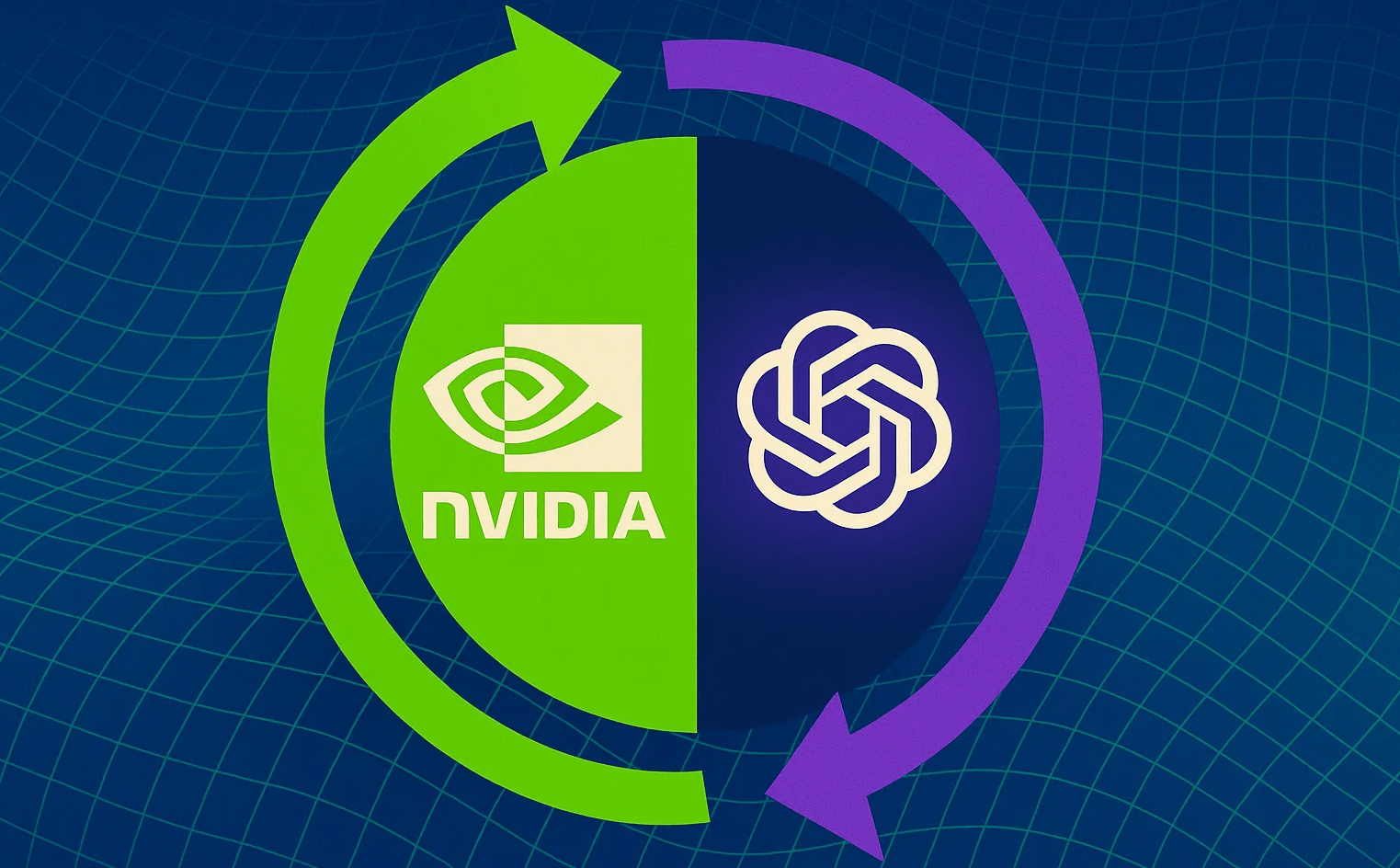
Nvidia and OpenAI, two leading entities in the artificial intelligence sector, have yet to formalize their proposed $100 billion partnership. This deal, expected to significantly influence the AI landscape, involves collaboration on AI hardware and software development, particularly focusing on large language models (LLMs), AI infrastructure, and advanced computing technologies.
The Importance of the Deal
The collaboration between Nvidia, a dominant player in AI hardware with its cutting-edge GPUs, and OpenAI, a pioneer in AI research and development, has been highly anticipated. A finalized agreement would potentially accelerate advancements in AI capabilities, enhance AI developer tools, and expand applications in areas such as AI agents, multimodal AI, and automation.
Potential Implications for the AI Industry
- AI Infrastructure and Hardware: Nvidia’s GPUs are critical for training and running large-scale AI models. The partnership could ensure OpenAI’s access to the latest hardware innovations, addressing AI chip shortages and boosting computational power.
- AI Model Development: OpenAI’s expertise in creating advanced language models could benefit from closer integration with Nvidia’s technology, fostering breakthroughs in neural network architectures and multimodal AI.
- Market Dynamics: This deal could intensify competition among tech giants, influencing AI startup ecosystems and the balance between open-source and closed-source AI initiatives.
Uncertainty Surrounding the Agreement
Despite the high-profile nature of the proposed deal, neither party has publicly disclosed the reasons for the delay in signing. Industry observers speculate that regulatory scrutiny, valuation complexities, or strategic considerations might be factors. The absence of a finalized contract leaves the AI community waiting for clarity on how this partnership will materialize and shape the future of AI innovation.
Conclusion
The pending status of the Nvidia and OpenAI $100 billion deal underscores the complexities involved in large-scale partnerships within the AI sector. As both companies continue to lead in their respective domains, the eventual outcome of this agreement could have far-reaching impacts on AI development, infrastructure advancements, and the competitive landscape of the technology industry.
Fonte: ver artigo original

Related Articles
 Hitachi Leverages Industrial Expertise to Lead the Physical AI Revolution
 Big Tech Pledges $610 Billion for AI Investments in 2026 Amid Market Value Decline
 Meta Expands Renewable Energy Portfolio with 650 MW Solar Power Boost to Support AI Initiatives
 Microsoft Reinvents Windows as the First Agentic OS to Power Autonomous AI Agents