Malaysia Leads Southeast Asia in AI Investment with US$759 Million
Between the second half of 2024 and the first half of 2025, Malaysia attracted 32% of Southeast Asia’s total artificial intelligence funding, amounting to approximately US$759 million. This significant share positions Malaysia as the dominant hub for AI investment across the region. The findings come from the e-Conomy SEA 2025 report, published by Google, Temasek, and Bain & Company, which highlights how Malaysia’s rapid infrastructure growth and strong consumer engagement are reshaping its technology environment.
Massive Infrastructure Expansion Drives AI Growth
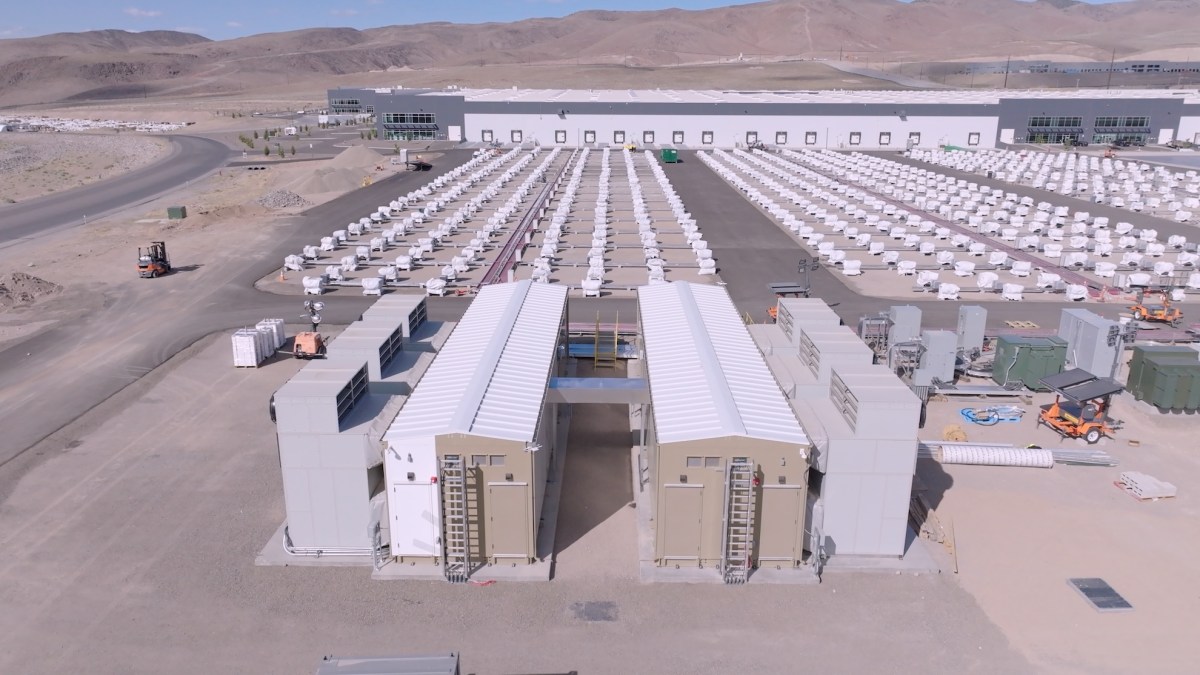
A key factor behind Malaysia’s investment surge is its aggressive expansion of physical infrastructure. Data center capacity in the country soared from 120 megawatts in 2024 to 690 megawatts by mid-2025. Furthermore, plans are underway to increase this capacity by an additional 350%, which would account for half of the total planned data center expansion in Southeast Asia. This infrastructure-first strategy differentiates Malaysia from regional competitors and attracts substantial investments.
Google has committed US$2 billion to support this growth, including the launch of its first data center and Google Cloud region in Malaysia. This move aims to address rising demand for AI-ready cloud services domestically and internationally, underscoring the country’s strategic importance in the AI landscape.
Investment Concentration and Market Dynamics
While the headline funding figure reveals Malaysia’s leadership in AI investment, the composition of this capital highlights some vulnerabilities. Most funding is concentrated in digital financial services, especially private equity deals, which inflated the total investment numbers in the latter half of 2024. However, the volume of deals dropped sharply to 23 in the first half of 2025, compared to a peak of 236 deals in 2021, indicating a narrowing of investment breadth despite larger individual transaction sizes.
Digital financial services made up 84% of AI-related funding in early 2024, raising concerns about the sustainability of Malaysia’s AI ecosystem if fintech momentum slows or regulatory challenges intensify. Nevertheless, investor optimism remains high, with 64% anticipating increased funding activity through 2030, particularly in software, AI, and deep tech sectors beyond fintech.
Strong Consumer Adoption Fuels Commercial AI Growth
Infrastructure development is matched by rapid consumer acceptance of AI technologies. Approximately 74% of Malaysian digital consumers engage with AI tools daily, ranking the country among the region’s most active AI users. Notably, 68% interact conversationally with AI chatbots, reflecting comfort with advanced AI interfaces beyond simple automation.
More than half of consumers (55%) expect AI to accelerate decision-making and reduce cognitive effort, indicating readiness for autonomous AI applications. This consumer trust is translating into commercial success, with revenue from AI-enabled apps doubling in the first half of 2025 compared to the previous year.
Ben King, Managing Director of Google Malaysia & Singapore, commented, “With three in four Malaysian digital consumers using generative AI tools daily, this engagement lays a solid foundation for the next phase of AI-powered growth. Google remains committed to supporting Malaysia’s vision to become a regional digital leader by 2030 through an inclusive and innovative AI-ready economy.”
Balancing Data Sharing and Privacy
Malaysia exhibits a unique trust dynamic regarding AI data usage. An overwhelming 92% of consumers are willing to share personal data such as shopping habits and social connections with AI systems, surpassing levels in more privacy-sensitive markets. However, 60% also express concerns about privacy and data security, higher than the ASEAN average of 50%. This duality suggests Malaysian users recognize both the benefits and risks of AI technologies and expect strong data governance frameworks.
Consumer motivations for adopting AI focus on practical benefits: saving time on research (51%), securing better deals (39%), and gaining exclusive product access or 24/7 support (30%). These findings indicate that AI adoption in Malaysia is driven primarily by functionality rather than novelty.
Strategic Questions Amid Infrastructure Concentration
Malaysia’s planned 350% increase in data center capacity may establish the country as a central hub for domestic and international AI workloads. Hosting half of Southeast Asia’s forthcoming data center capacity could foster network effects and attract AI talent clusters.
Nonetheless, challenges remain. Transitioning from infrastructure provision to generating proprietary AI innovations is critical. The launch of ILMU, Malaysia’s first indigenous large language model deployed by local digital banks, marks initial progress but remains limited in scale.
Questions about job creation also loom: will Malaysia develop a high-value AI workforce, or will it primarily serve as an infrastructure base with profits accruing elsewhere? While 80% of Malaysians are aware of AI, awareness alone does not ensure technical expertise.
Regulatory developments, such as the new Consumer Credit Act requiring licensing for buy-now-pay-later and non-bank lenders, reflect efforts to structure digital sectors. The balance regulators strike between fostering innovation and protecting consumers will be pivotal for sustaining Malaysia’s AI momentum.
Regional Impact and Competitive Landscape
Malaysia’s AI leadership creates both collaboration and competition opportunities within Southeast Asia. The expansion of the interoperable DuitNow QR payment standard into regional markets like Cambodia exemplifies Malaysia’s capacity for cross-border digital integration, potentially extendable to AI services.
However, neighboring countries are likely to accelerate their infrastructure investments, challenging Malaysia’s dominance. Maintaining leadership will depend on converting first-mover infrastructure advantages into enduring capabilities through talent development, sound regulation, and vibrant commercial ecosystems.
Amanda Chin, Partner at Bain & Company, emphasized, “The true opportunity lies in how businesses leverage AI as a catalyst for impact while building on Malaysia’s solid digital foundations.” This underscores that capital and infrastructure alone are insufficient without effective execution.
Malaysia has undeniably secured a leadership role in Southeast Asia’s AI ecosystem. The critical test ahead is transforming investment and infrastructure into innovative AI solutions rather than merely replicating existing technologies.
Photo credit: Luiz Cent

Related Articles
 China Approves DeepSeek’s Purchase of NVIDIA H200 AI Chips Amid Trade Tensions
 Trump Administration Pauses Opposition to State-Level AI Regulations
 Claude Code Creator Unveils Revolutionary AI-Driven Coding Workflow, Sparking Developer Enthusiasm
 Creator of Claude Code Unveils Revolutionary AI Workflow Transforming Software Development