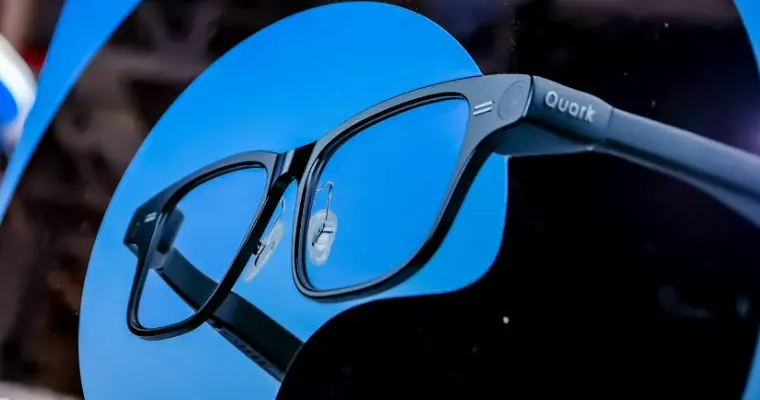
Alibaba Enters the AI Smart Glasses Market with Quark Series
In a move that signals intensified competition in the AI-powered wearable technology sector, Alibaba has launched its Quark AI Glass series in China. This new product line enters a market currently dominated by established models such as the Ray-Ban Meta Smart Glasses and XREAL One Pro, offering consumers fresh alternatives with advanced features.
Product Variants and Features
The Quark AI Glass lineup consists of two main models: the flagship dual-display S1 and the camera-centric G1. Each model offers three variants, catering to different user preferences and use cases. The S1 model is designed to deliver a robust augmented reality (AR) experience with its dual-display setup, while the G1 emphasizes high-quality imaging capabilities through its integrated camera system.
Targeting Both AR Enthusiasts and Everyday Users
Alibaba’s approach with the Quark series is to blend functionality with style, providing sleek design options and multiple frame choices to appeal to a broad audience. The company aims to challenge Meta’s dominance by offering comparable or superior technology at competitive pricing, focusing especially on the Chinese market where demand for smart wearables continues to grow.
Market Context and Industry Implications
AI-powered smart glasses have transitioned from science fiction concepts to tangible consumer products, supported by advances in AI, miniaturization, and connectivity. Alibaba’s entry intensifies the competition among tech giants and startups alike, each seeking to capture a share of the emerging market for AI-enhanced wearables.
With this launch, Alibaba not only broadens its AI and hardware portfolio but also contributes to the evolving ecosystem of multimodal AI devices that combine text, image, and video processing on the go.
Future Prospects
As AI continues to integrate deeper into daily life, smart glasses like those in the Quark series could become essential tools for productivity, communication, and entertainment. Alibaba’s investment in this area reflects a strategic bet on the convergence of AI with wearable technology, potentially reshaping how consumers interact with digital information.
Fonte: ver artigo original

Related Articles
 Luma AI’s Ray Series: Advancing Generative Video Technology from Ray1.6 to Ray3.14
 Comparing AI-Powered Design Tools: Canva Pro vs Google Nano 3 vs Sora 2 in 2026
 OpenAI Develops Sora Android App in 28 Days Using Codex AI
 Google Launches Antigravity: An Agent-First Platform Revolutionizing Asynchronous Coding Workflows



