Manufacturing industries worldwide are confronting a complex set of challenges, including escalating input costs, labor shortages, fragile supply chains, and growing demand for customized products. In response, artificial intelligence (AI) is becoming a vital strategic tool to address these pressures and drive operational excellence.
The Growing Role of AI in Manufacturing Strategy
Manufacturers aim to lower costs while enhancing throughput and product quality. AI technologies contribute by forecasting equipment failures, optimizing production schedules, and analyzing supply chain data. According to a Google Cloud survey, over half of manufacturing executives now deploy AI agents in back-office functions such as planning and quality control, demonstrating AI’s integration beyond experimental phases into core workflows.
This adoption translates into tangible business benefits—reduced downtime, decreased waste, improved overall equipment effectiveness (OEE), and enhanced responsiveness to customer needs all reinforce competitive positioning.
Industry Insights and Real-World Applications
-
Motherson Technology Services reported substantial improvements after implementing AI-driven agent systems, data platform consolidation, and workforce enablement measures. Benefits included a 25-30% reduction in maintenance costs, 35-45% less downtime, and a 20-35% increase in production efficiency.
-
ServiceNow highlighted that advanced manufacturers are integrating workflows, data, and AI on unified platforms. Over 50% have established formal data governance programs to support AI initiatives, underscoring the importance of structured management.
These case studies illustrate the shift from pilot projects to embedded AI workflows, signaling a maturation of AI use in manufacturing operations.
Considerations for Cloud and IT Leadership
Data Architecture and Integration
Effective manufacturing AI depends on low-latency decisions, particularly for maintenance and quality assurance. Leaders must integrate edge computing—often involving operational technology (OT) devices—with cloud infrastructure. Microsoft’s maturity-path guidance emphasizes overcoming data silos and legacy equipment as key hurdles, with standardized data collection and sharing as foundational steps.
Prioritizing Use Cases
Experts recommend starting with a limited number of high-impact use cases, such as predictive maintenance, energy optimization, and quality inspection. This approach mitigates risks of stalled pilots and facilitates clear measurement of AI benefits.
Governance and Security
Converging OT and IT systems increases cybersecurity risks, as many OT devices were not originally designed for internet exposure. Early establishment of data access policies and continuous monitoring is critical. AI governance should commence with initial pilot efforts, not be deferred.
Workforce Development
Human expertise remains central. Building operator trust in AI systems and addressing ongoing skilled labor shortages through upskilling programs are necessary for successful AI integration.
Vendor Neutrality and Ecosystem Flexibility
Manufacturing environments often comprise diverse IoT sensors, industrial networks, and cloud platforms. To maintain agility, leaders should prioritize interoperable solutions and avoid vendor lock-in, enabling architectures tailored to their unique workflows.
Measuring Impact and Continuous Improvement
Manufacturers need to define and monitor key performance indicators such as downtime, maintenance costs, throughput, and yield. The Motherson case provides benchmarks evidencing achievable outcomes through diligent measurement.
Challenges Beyond the Hype
Despite advances, obstacles persist. Skills shortages, fragmented data from legacy machinery, unforeseen costs related to sensors and integration, and rising security concerns complicate AI deployment. Moreover, AI must complement, not replace, human expertise, requiring collaborative efforts among operators, engineers, and data scientists.
Nonetheless, clear governance, cross-functional collaboration, and scalable architectures have proven effective in overcoming these challenges.
Strategic Recommendations for Manufacturing Leaders
- Align AI initiatives closely with business objectives, focusing on metrics like downtime reduction and cost savings.
- Adopt hybrid edge-cloud architectures to balance real-time machine inference with cloud analytics.
- Invest in mixed teams of domain experts and data scientists, and provide training to operators and management.
- Implement security measures early, treating OT and IT environments as integrated with zero-trust principles.
- Scale AI deployments gradually, validating success at individual sites before broader rollouts.
- Choose open ecosystem components to ensure interoperability and avoid vendor lock-in.
- Continuously monitor performance metrics and adapt models and processes based on results.
Conclusion
AI has transitioned from a promising concept to a strategic imperative within manufacturing. Insights from industry leaders such as Motherson, Microsoft, and ServiceNow demonstrate measurable gains achieved by integrating data, people, workflows, and technology. While the journey demands careful governance, robust architectures, security mindfulness, and skilled personnel, AI stands as a practical lever for enhancing competitiveness in a challenging manufacturing landscape.
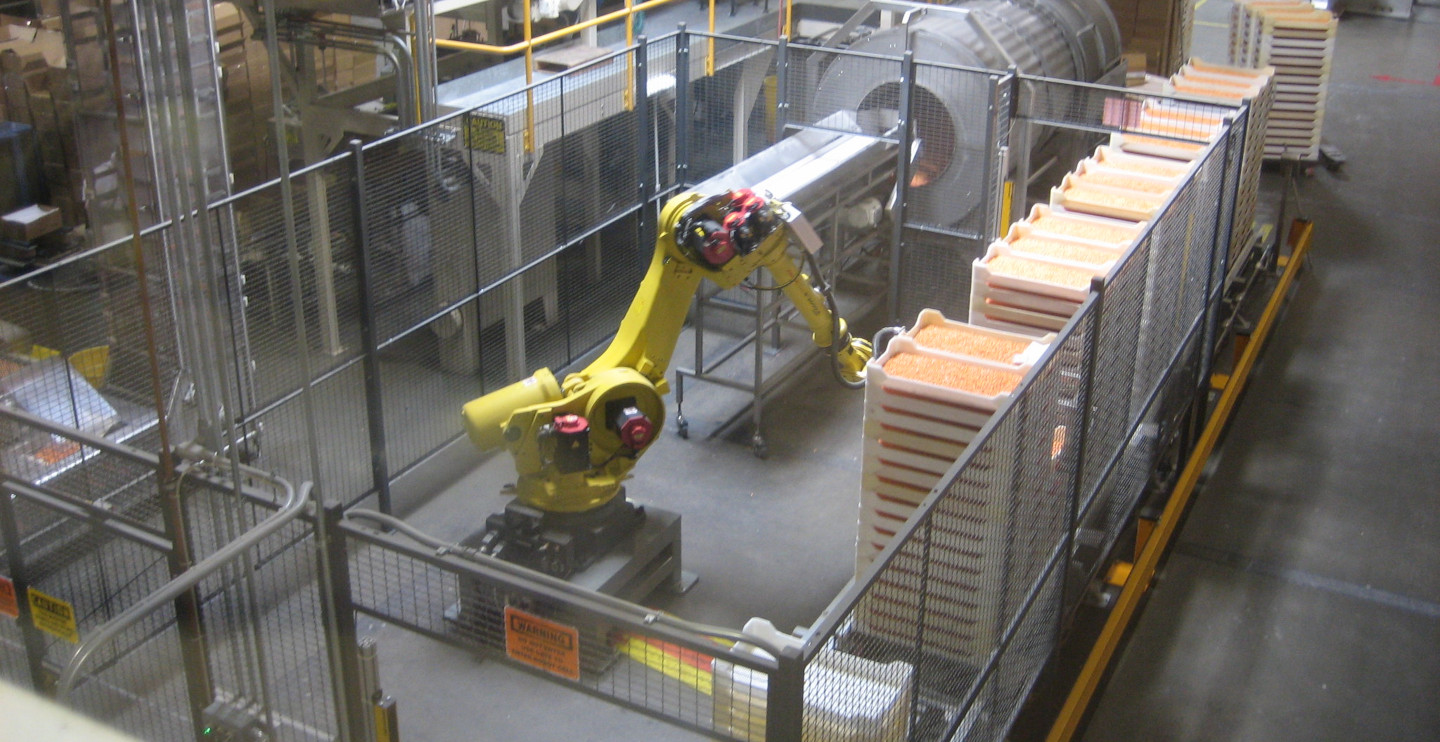
(Image source: "Jelly Belly Factory Floor" by el frijole is licensed under CC BY-NC-SA 2.0.)
Fonte: ver artigo original

Related Articles
 Kakao Mobility Unveils Ambitious Level 4 Autonomous Driving Roadmap Aligned with Physical AI Strategy
 Sea Limited Accelerates AI-Native Software Development in Asia with OpenAI’s Codex
 xAI Releases Grok 4.1 with Enhanced Accuracy and Reasoning but Restricts API Access
 OpenAI’s New ‘Spud’ Model Promises Significant Improvements Across All Products



