Manufacturers today confront significant challenges including escalating input costs, labor shortages, fragile supply chains, and increasing demand for customized products. In response, artificial intelligence (AI) has emerged as a pivotal component in addressing these pressures and enhancing operational efficiency.
AI as a Foundation for Enterprise Strategy
Reducing costs while improving throughput and quality remains a priority for manufacturers. AI technologies contribute by enabling predictive maintenance, optimizing production schedules, and analyzing supply chain indicators. A survey by Google Cloud reveals that over half of manufacturing executives now deploy AI agents in back-office functions such as planning and quality management, underscoring AI’s growing operational role.
The adoption of AI correlates directly with measurable business outcomes including reduced equipment downtime, lower scrap rates, enhanced overall equipment effectiveness (OEE), and improved responsiveness to customer demands. These improvements strengthen competitiveness and align with broader enterprise strategies.
Industry Case Studies Highlight AI Benefits
-
Motherson Technology Services demonstrated significant gains after implementing agent-based AI and data platform consolidation, reporting a 25-30% reduction in maintenance costs, 35-45% decrease in downtime, and a 20-35% increase in production efficiency.
-
ServiceNow detailed how manufacturers are unifying workflows, data, and AI on integrated platforms, noting that just over half of advanced manufacturers have established formal data governance frameworks to support AI initiatives.
These examples illustrate a clear trend: AI is transitioning from pilot projects to active integration within manufacturing workflows.
Key Considerations for Cloud and IT Leadership
Data Architecture Integration
Manufacturing decisions require low-latency data processing, particularly in maintenance and quality control. Leaders must devise strategies to blend edge computing—often tied to operational technology (OT)—with cloud services. Microsoft’s maturity-path guidance emphasizes that overcoming data silos and legacy equipment challenges through standardized data collection and sharing is a critical first step.
Prioritizing Use Cases for AI Deployment
ServiceNow recommends a phased approach, starting with two or three high-impact use cases such as predictive maintenance, energy optimization, and quality inspection to avoid prolonged pilot phases and achieve measurable benefits early.
Governance and Cybersecurity
Integrating OT with IT and cloud systems elevates cybersecurity risks because many OT systems were not originally designed for internet exposure. Defining strict data access policies and continuous monitoring is essential, and AI governance should commence from the initial pilot stage rather than being deferred.
Addressing Workforce and Skills Gaps
Human expertise remains vital. Trust and confidence in AI-enhanced systems among operators must be cultivated. Persistent skilled labor shortages in manufacturing make workforce upskilling and cross-functional training a fundamental element of successful AI adoption.
Ensuring Vendor Ecosystem Neutrality
Manufacturing environments comprise diverse components including IoT sensors, industrial networks, and cloud platforms. To maintain long-term flexibility and prevent vendor lock-in, organizations should prioritize interoperability and open standards when building their AI infrastructure.
Measuring AI Impact Effectively
Defining clear performance metrics such as downtime reduction, maintenance cost savings, throughput improvements, and yield enhancements is crucial. Continuous monitoring enables organizations to refine AI models and workflows aligned with evolving conditions.
Overcoming Challenges Beyond the Hype
While AI integration progresses rapidly, challenges persist. Skills shortages, legacy machinery generating fragmented data, and unpredictable deployment costs require careful management. Increased connectivity introduces cybersecurity concerns that must be proactively addressed. Crucially, AI systems should complement—not replace—human expertise, fostering collaboration among operators, engineers, and data scientists.
With strong governance, cross-disciplinary teams, and scalable architectures, manufacturers can effectively navigate these challenges and sustain AI-driven improvements.
Strategic Recommendations for Manufacturing Leaders
- Align AI initiatives closely with business objectives and key performance indicators such as downtime, scrap, and unit costs.
- Adopt a hybrid edge-cloud strategy to balance real-time inference near machinery with cloud-based training and analytics.
- Invest in workforce development, fostering mixed teams of domain experts and data scientists and offering comprehensive training.
- Implement security measures early, treating OT and IT environments as unified with a zero-trust approach.
- Scale AI deployments gradually, validating value in one facility before wider rollout.
- Choose open ecosystem technologies to maintain flexibility and avoid vendor lock-in.
- Continuously monitor AI performance and adjust models and workflows in response to measured outcomes.
Conclusion
AI adoption within manufacturing operations has evolved into a strategic imperative. Insights from leading companies such as Motherson, Microsoft, and ServiceNow demonstrate tangible benefits achieved through the integration of data, people, workflows, and technology. Although the path to AI maturity is complex, clear governance, robust architecture, proactive security, business-driven projects, and emphasis on workforce capabilities position AI as a practical lever for enhanced competitiveness.
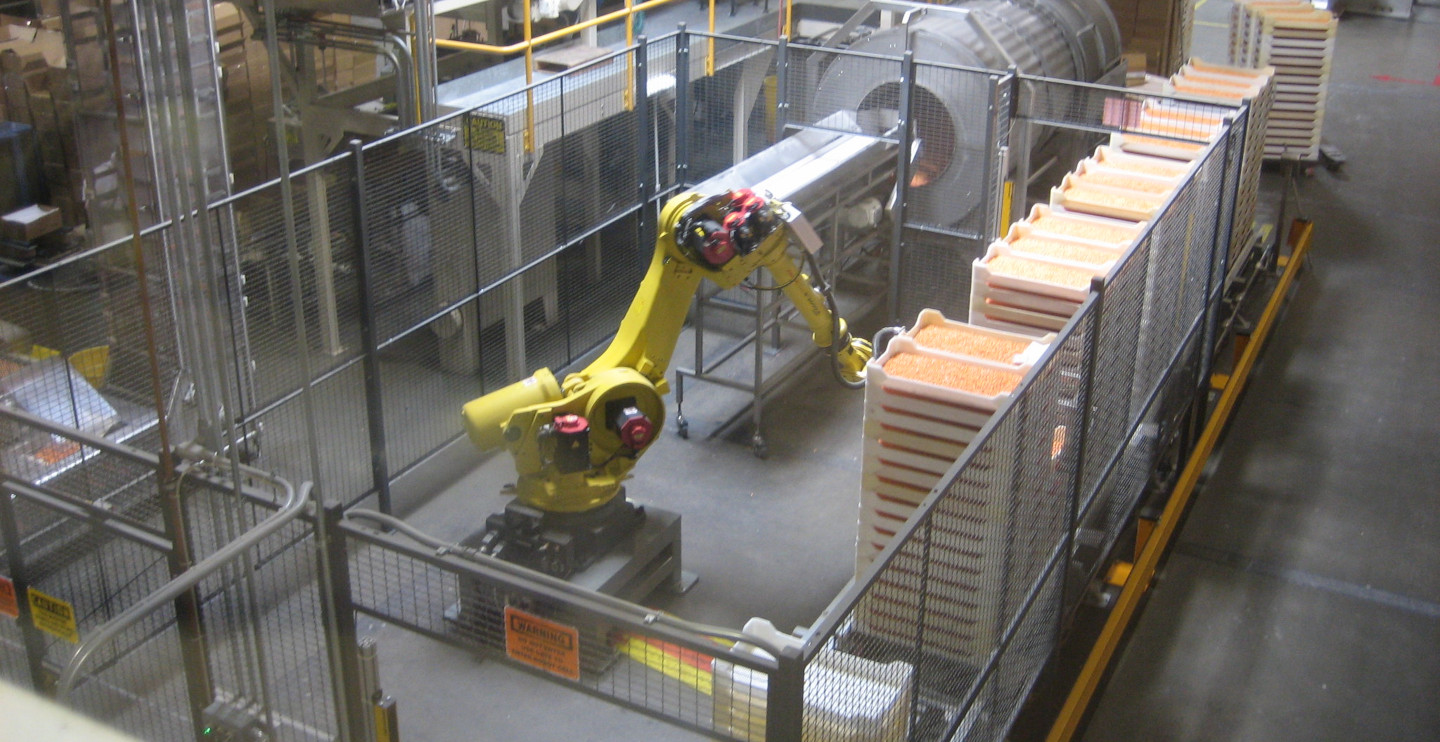
(Image credit: “Jelly Belly Factory Floor” by el frijole, licensed under CC BY-NC-SA 2.0.)
Fonte: ver artigo original

Related Articles
 Cisco Expands Communication Suite with Acquisition of Translation Startup EzDubs
 Google Pledges to Expand AI Infrastructure Capacity by 1000x Over the Next 4–5 Years
 ChatGPT Struggles to Detect Majority of Deepfake Videos Created by OpenAI’s Sora Tool
 Google Expands NotebookLM with Fully Rolled Out Customizable Video Overviews