
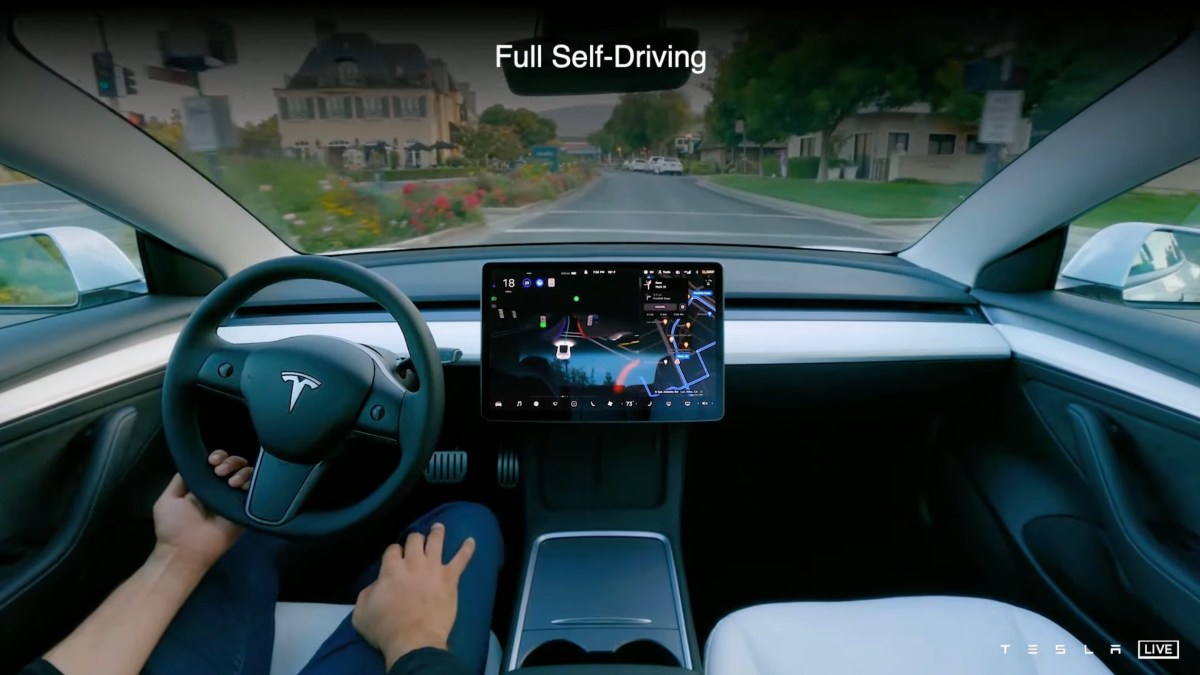
Regulatory Uncertainty Surrounds Tesla’s Full Self-Driving Software in Europe
Over the weekend, Tesla publicly declared that its Full Self-Driving (FSD) software was on the verge of obtaining approval from a Dutch regulatory agency, signaling a major step forward for the company’s autonomous driving ambitions in the European market. However, subsequent reports indicate that this anticipated regulatory endorsement might not materialize as smoothly as Tesla suggested.
Discrepancies Between Tesla and the Dutch Regulator
While Tesla’s social media announcement created expectations of imminent approval, sources close to the regulatory process have expressed that the Dutch authority responsible for vehicle safety and compliance has not yet given a definitive green light. This discrepancy highlights ongoing regulatory challenges faced by Tesla as it attempts to introduce advanced AI-driven driving systems within the stringent European framework.
Implications for Tesla and the European Autonomous Vehicle Market
Approval of FSD technology in Europe is critical for Tesla’s expansion plans, as it would allow more widespread deployment of its AI-powered driver assistance features. The European Union maintains rigorous safety and ethical standards for autonomous systems, ensuring that any software must meet comprehensive requirements before being authorized for public use.
The current hesitation from the Dutch regulator underscores the complexities involved in certifying AI-based driving technologies, especially those capable of high levels of automation. This pause could delay Tesla’s rollout schedules and may prompt further scrutiny of the company’s AI safety and alignment practices.
Broader Context of AI Regulation in Autonomous Driving
Tesla’s situation exemplifies the broader regulatory landscape where AI-driven systems, including autonomous vehicles, face intense evaluation over safety, reliability, and ethical implications. European regulators are increasingly focused on ensuring transparency, minimizing risks of system failures or unpredictable behavior, and protecting consumer trust in emerging AI applications.
As Tesla continues to push the boundaries of AI in automotive technology under CEO Elon Musk’s leadership, the company must navigate evolving policies and standards that aim to balance innovation with public safety.
Looking Ahead
The final decision by the Dutch regulator remains pending, and Tesla’s future announcements will likely clarify the path forward for its FSD software in Europe. Meanwhile, the industry watches closely as regulatory bodies shape the future of autonomous driving through rigorous oversight and policy development.
Fonte: ver artigo original

Related Articles
 OpenAI Enhances ChatGPT’s Context Recognition in Sensitive Conversations
 Function Health Secures $298M Series B Funding at $2.5B Valuation to Revolutionize Health Data Integration
 How HTML Extraction Choices Affect AI Language Model Training and Internet Data Coverage
 OpenAI Introduces Appshots to Enhance Mac Users’ Coding Experience with Codex



