Introduction: Data Centers and Growing Energy Demand
Data centers have become critical infrastructure for the digital economy, but their rapidly increasing electricity consumption is creating significant challenges for power grid stability. The North American Electric Reliability Corporation (NERC) has issued warnings that the combination of surging data center demand and harsh winter weather could push the electrical grid to dangerous limits.
Data Centers Driving Record Electricity Usage
Over the past decade, the proliferation of cloud computing, artificial intelligence workloads, and digital services has led to an unprecedented rise in data center power requirements. These facilities operate 24/7, relying on vast amounts of electricity not only to power servers but also to maintain cooling systems essential to prevent hardware overheating.
This growth is especially pronounced in regions with dense data center clusters, which now contribute significantly to local electricity demand peaks.
Key Contributors to Increased Energy Consumption
- Expansion of AI and machine learning workloads requiring intensive compute power.
- Growth in streaming, gaming, and digital content delivery services.
- Data sovereignty and compliance regulations prompting regional data center buildouts.
- Advancements in cloud infrastructure encouraging enterprise migration to online platforms.
Winter Storms Threaten Grid Stability
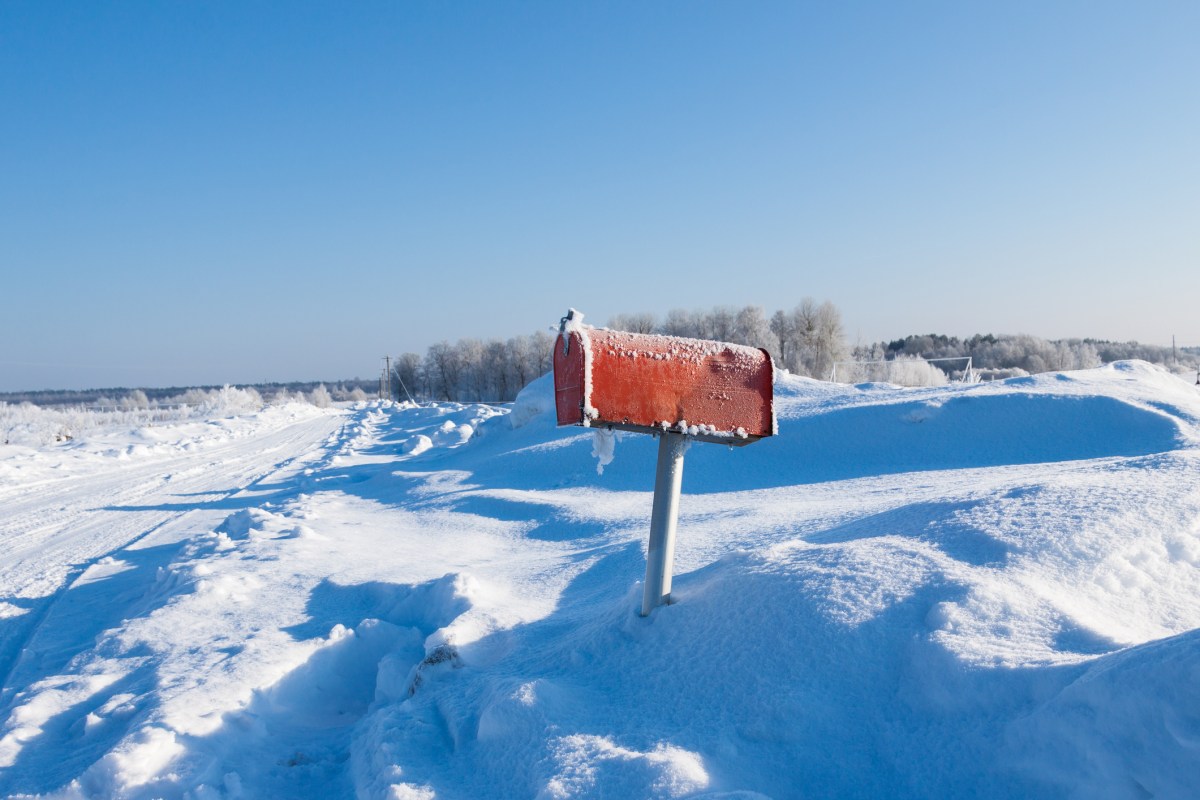
Severe winter storms, characterized by extreme cold and increased heating demand, already place considerable stress on electricity grids. When combined with the rising baseline consumption from data centers, the risk of grid overload increases markedly.
NERC’s latest reports highlight that during peak winter events, the grid could face blackouts if electricity supply cannot meet the combined demand from residential heating and data center operations.
Potential Consequences of Grid Overload
- Power outages affecting residential, commercial, and critical infrastructure sectors.
- Operational disruptions for data centers leading to service interruptions.
- Increased operational costs due to emergency measures and demand response activations.
Addressing the Challenge: Strategies and Innovations
To mitigate these risks, several strategies are being explored across the industry and by grid operators:
- Energy efficiency improvements: Data centers are adopting advanced cooling technologies and optimizing server utilization to reduce energy waste.
- Renewable energy integration: Investments in on-site solar, wind, and energy storage systems help offset grid demand.
- Demand response programs: Data centers can adjust workloads or temporarily reduce power consumption during peak grid stress periods.
- Grid modernization: Upgrading transmission infrastructure and enhancing grid flexibility to better handle dynamic loads.
Looking Ahead: Balancing Growth with Reliability
The data center industry’s growth shows no signs of slowing, driven by increasing digitalization and AI advancements. Ensuring grid reliability during extreme weather will require coordinated efforts between data center operators, energy providers, and policy makers.
Proactive planning and investment in resilient energy infrastructure are essential to avoid blackouts and maintain continuous digital services that modern society depends on.

Related Articles
 Meta Introduces SAM Audio AI Model for Precise Sound Isolation
 Anthropic Unveils Claude Opus 4.5: Advanced AI Model with Reduced Costs and Enhanced Coding Abilities
 YouTube Launches AI Deepfake Detection Tool Amid Biometric Privacy Concerns
 Andrej Karpathy Calls for an End to Policing AI-Generated Homework in Schools