Introduction to the AI Compute Alliance
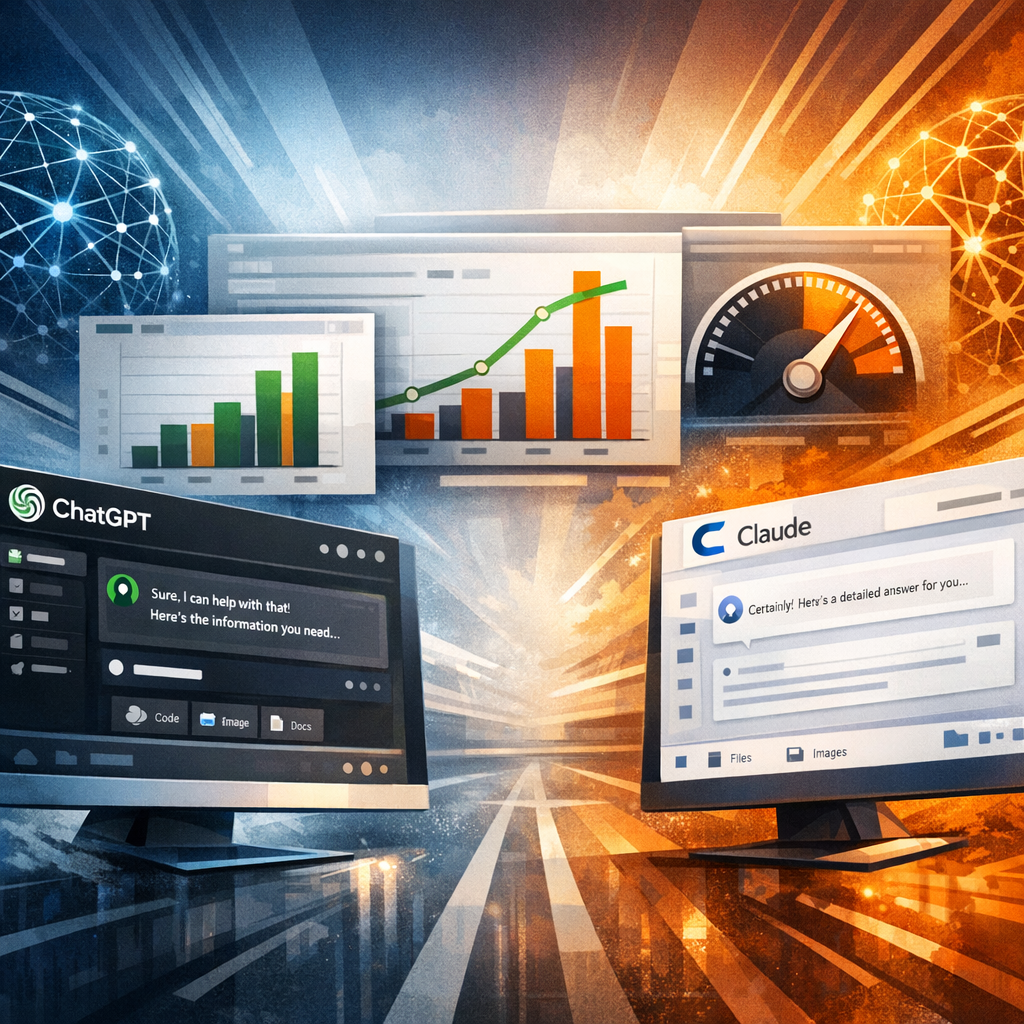
Microsoft, Anthropic, and NVIDIA have announced a strategic alliance focused on advancing cloud infrastructure and expanding the availability of AI models. This collaboration marks a shift from reliance on singular AI models toward a more versatile and hardware-optimized ecosystem, reshaping how technology leaders govern and deploy AI solutions at scale.
Reciprocal Integration and Cloud Investment
Satya Nadella, CEO of Microsoft, described the partnership as a reciprocal integration where the companies will increasingly become customers of one another. Anthropic will utilize Microsoft’s Azure cloud infrastructure extensively, committing to purchase $30 billion in Azure compute capacity. In return, Microsoft plans to integrate Anthropic’s AI models across its broad product portfolio, enhancing its AI offerings.
Hardware Innovation and Performance Gains
NVIDIA’s contribution centers around its cutting-edge hardware, beginning with the Grace Blackwell system and progressing to the Vera Rubin architecture. NVIDIA CEO Jensen Huang highlighted that the Grace Blackwell platform, enhanced with NVLink technology, is expected to deliver a tenfold performance improvement. This leap is critical for reducing the computational cost per token, a key metric in AI efficiency.
Huang also emphasized a “shift-left” engineering approach, meaning NVIDIA’s latest technologies will be available on Azure immediately upon release. This integration allows enterprises running Anthropic’s Claude models on Azure to benefit from distinct performance characteristics tailored for latency-sensitive or high-volume processing applications.
Financial and Operational Implications
The alliance influences financial planning for AI workloads, with Huang identifying three concurrent scaling factors: pre-training, post-training, and inference-time scaling. Unlike traditional models where training dominated compute costs, inference costs are rising as models spend more compute cycles to generate higher-quality responses. This trend requires dynamic budgeting for AI operational expenses, especially for agentic AI workflows.
Enterprise Adoption and Workflow Integration
Microsoft has committed to maintaining Anthropic’s Claude model availability across its Copilot family of products, addressing a major barrier to enterprise adoption: seamless integration into existing workflows. The partnership focuses heavily on enhancing agentic AI capabilities, with Anthropic’s Model Context Protocol (MCP) described as transformative for AI agent development. NVIDIA engineers have already begun leveraging Claude Code for modernizing legacy codebases.
Security and Governance Advantages
Security considerations are simplified through the alliance, as enterprises can provision Claude’s capabilities within the Microsoft 365 compliance framework. This arrangement consolidates data governance by keeping interaction logs and data handling under existing Microsoft tenant agreements, reducing complexity for security teams.
Alleviating Vendor Lock-in and Expanding Market Reach
Vendor lock-in concerns remain a significant challenge for chief data officers and risk officers. This alliance mitigates those worries by making Anthropic’s Claude the only frontier AI model accessible across all three major global cloud providers. Nadella stressed that this multi-model strategy complements Microsoft’s ongoing partnership with OpenAI rather than replacing it.
For Anthropic, the partnership offers a solution to the lengthy enterprise go-to-market challenge by leveraging Microsoft’s established sales channels, accelerating adoption without the need for a prolonged sales build-out.
Impacts on AI Procurement and Future Outlook
The alliance is expected to reshape AI procurement strategies, with organizations encouraged to reassess their model portfolios. The availability of Claude Sonnet 4.5 and Opus 4.1 on Azure, backed by a “gigawatt of capacity” commitment, suggests fewer capacity constraints compared to previous hardware cycles.
Moving forward, enterprises must focus on optimizing usage by aligning the most suitable AI model versions with specific business processes to maximize returns on this expanded infrastructure.
Additional Industry Context
This collaboration underscores a broader industry trend toward diversified AI ecosystems and robust infrastructure investments, as companies seek to balance performance, cost, and operational complexity in deploying next-generation AI applications.

Related Articles
 Meta Expands Renewable Energy Portfolio with 650 MW Solar Addition to Support AI Infrastructure
 OpenAI Unveils GPT-5.1-Codex-Max to Tackle Extensive Engineering Projects
 Newsweek CEO Dev Pragad Urges Publishers to Adapt as AI Becomes the New Gateway to News
 Commvault Introduces AI Protect: A Critical Undo Feature for Cloud AI Workloads