In an inspiring showcase of innovation and collaboration, aspiring engineers from 191 countries came together for the FIRST Global Robotics Challenge held in Panama City this October. This annual event not only highlights engineering skills but also emphasizes the importance of teamwork and environmental stewardship through its thematic challenges.
Annual Robotics Challenge Promotes Engineering Skills
The FIRST Global Robotics Challenge aims to inspire the next generation of engineers by engaging students aged 14 to 18 in hands-on problem-solving. This year’s theme, “Eco-equilibrium,” focused on the preservation of ecosystems and the protection of vulnerable species. Over three days, teams remotely operated their robots to tackle various challenges that test their ingenuity and collaborative skills.
Competition Structure and Objectives
During the competition, teams participated in a series of ranking matches that included specific tasks designed to promote both individual and group efforts. Each match lasted two minutes and thirty seconds and featured several simultaneous objectives:
- Gathering “biodiversity units” (multicolored balls) and delivering them to team members.
- Removing and disposing of “barriers” (larger, grey balls) from designated containers.
- Throwing the biodiversity units into the cleared containers to accumulate points.
- Climbing a 1.5-meter rope at the end of the match.
To enhance collaboration, the matches were structured so that two groups of three teams competed together. If all six robots successfully climbed the rope, each team’s score was multiplied by 1.5, highlighting the importance of cooperation alongside competition.
Celebrating Team Spirit Over Individual Glory
Witnessing the camaraderie among participants was a highlight of the event. Students cheered for each other, celebrated successes, and shared in the learning experience. Clyde Snyders, a member of the South African team, expressed the overall sentiment: “It’s not about winning, it’s not about losing, it’s about learning from others.” This ethos resonated throughout the competition, encouraging a spirit of mutual support.
Challenges and Triumphs in Team Participation
Before the main event, qualifying rounds took place in various countries, allowing thousands of students to demonstrate their robotics skills. However, not all teams faced easy paths to participation. Team Jamaica, for example, encountered significant challenges due to Hurricane Melissa, which struck just before the competition. Despite the severe impact on their travel plans, FIRST Global organizers stepped in to cover their costs, enabling them to arrive just in time to compete.
Team captain Joelle Wright reflected on their experience, stating, “To be able to engage in new activities, to compete, and to showcase our hard work” was a rewarding opportunity. Team Jamaica ultimately won a bronze medal, making their journey all the more triumphant.
Innovation in Robotics: Collaboration and Improvement
A unique feature of the competition was the “robot hospital,” where students from different teams frequently collaborated to troubleshoot and enhance their robots. This environment fostered an atmosphere of innovation, with teams sharing tips, spare parts, and tools to improve their designs on the spot.
The constant activity at the robot hospital demonstrated the collaborative spirit of the event. Students helped each other debug problems and brainstorm new features, embodying the collective goal of learning and growth in engineering.
Conclusion: A Global Community of Young Engineers
The FIRST Global Robotics Challenge not only serves as a platform for competition but also as a catalyst for collaboration among young engineers worldwide. By emphasizing teamwork, environmental responsibility, and innovation, the event cultivates a generation of problem-solvers dedicated to making a positive impact on the world. As these aspiring engineers continue to innovate and collaborate, the future of engineering looks promising.
Based on reporting from spectrum.ieee.org.
Based on external reporting. Original source: spectrum.ieee.org.

 Snapchat Introduces ‘AI Clips’ Lens to Transform Photos into Dynamic Five-Second Videos
 How to Unlock Accelerated AI Storage Performance With RDMA for S3-Compatible Storage
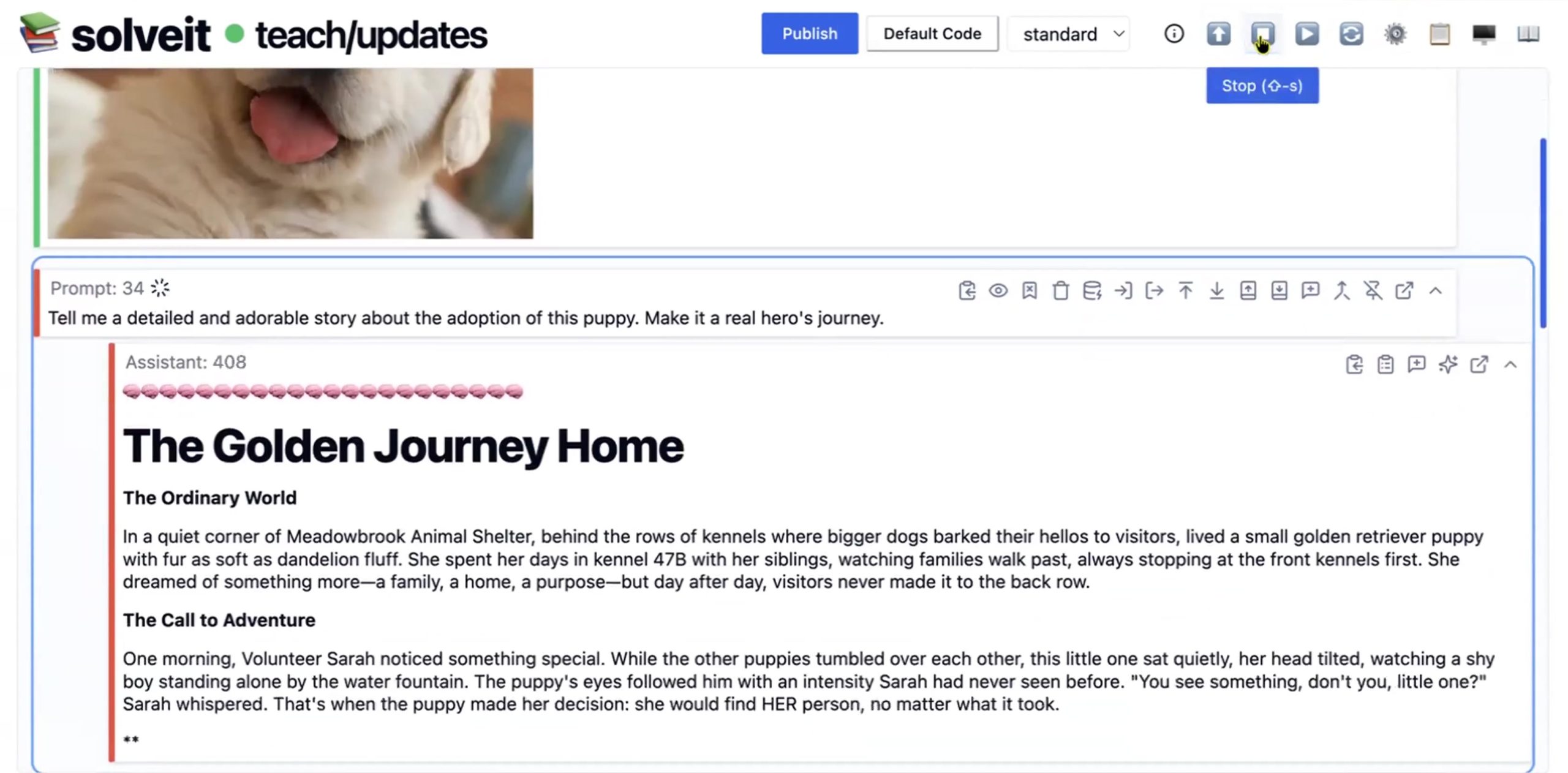 A Guide to Solveit Features