The Trust Dilemma in OpenAI’s Evolution
Why Trust Real Battleground OpenAI analysis is at the center of this update. OpenAI’s transformation from a research lab to a tech powerhouse has captivated the world, but this evolution has exposed a fragile fault line: trust. Can a company at the center of AI breakthroughs truly be trusted to steward technology that affects billions? This question is no longer hypothetical—it’s the defining challenge for AI’s future.
From Mission to Market: The Contradictions of OpenAI’s Model
OpenAI’s original mission promised to democratize artificial intelligence for the global good. However, as it embraced lucrative partnerships—most notably with Microsoft—and commercialized products like ChatGPT, critics argue that OpenAI’s open ethos has been compromised. Is this just a natural step for scaling innovation, or a dangerous shift toward monopoly and control?
The Power Concentration Behind the Curtain
What often goes unspoken is how power in AI is concentrating faster than most realize. OpenAI sits atop a growing empire of compute resources, data, and funding. This raises uncomfortable questions: Who holds the keys to the future of AI? And are we comfortable entrusting that power to a handful of companies with profit motives?
Trust Beyond Transparency: The Role of Accountability
Transparency has been heralded as the answer to AI’s trust problem, but transparency alone is a superficial fix. OpenAI must grapple with deeper accountability—how will it handle unintended harms, bias, and misuse? Can it genuinely engage public oversight without stifling innovation? The public deserves answers, not just glossy press releases.
Why the AI Safety Debate Is Also a Battle for Business Strategy
Safety isn’t just an ethical checkbox; it’s a strategic battleground. OpenAI’s competitors, including Anthropic and Google DeepMind, are emphasizing safety branding to differentiate themselves. But is safety a genuine priority or a savvy marketing tool designed to capture user trust and regulatory goodwill? This tension highlights the murky intersection of ethics and capitalism in AI.
Sam Altman’s Leadership: Visionary or Power Player?
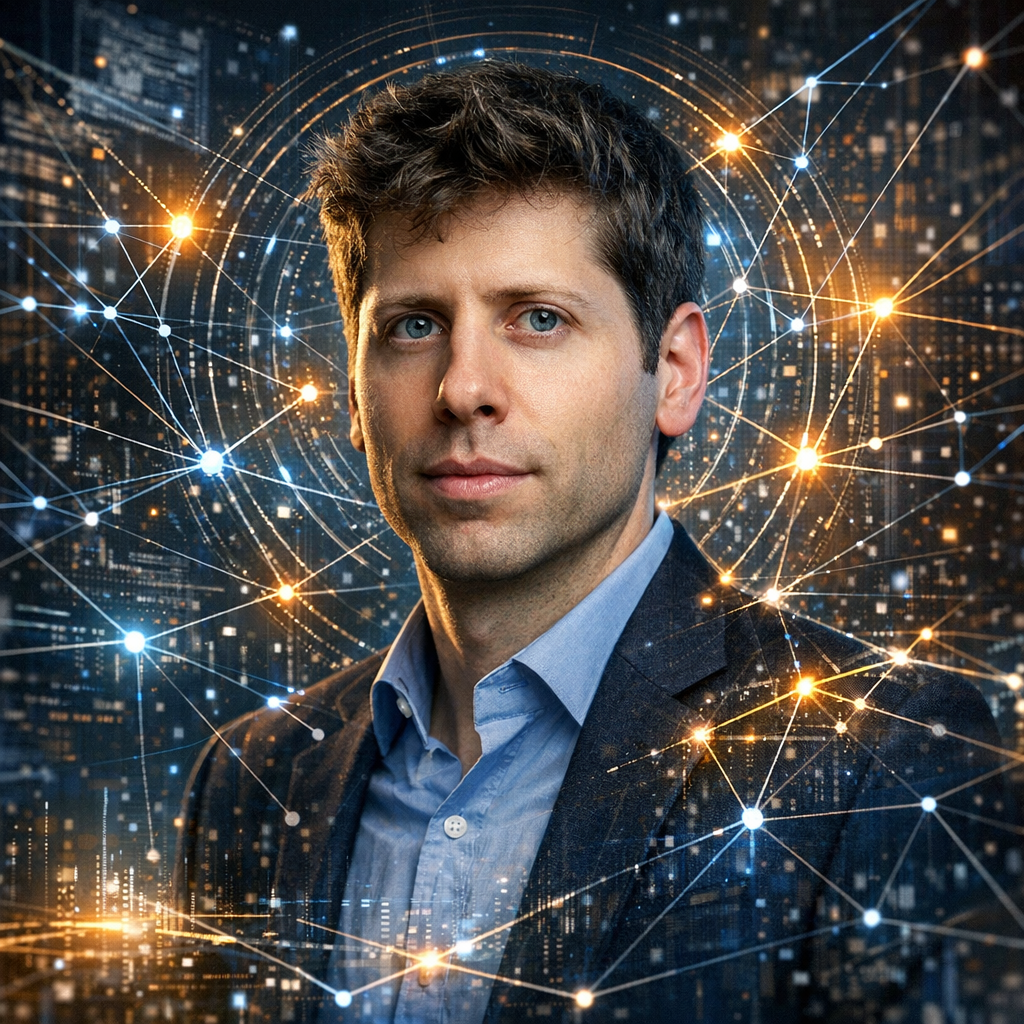
Few figures embody this paradox as clearly as Sam Altman. His charismatic leadership has propelled OpenAI to global prominence, but it also raises questions about the concentration of influence in AI leadership. Does Altman’s vision align with public interest, or is it increasingly shaped by business imperatives? The future of AI may well hinge on how such leaders balance innovation, ethics, and trust.
The Public’s Role: Demand More Than Hype
Ultimately, trusting AI companies cannot be a passive act. Public scrutiny, regulatory frameworks, and inclusive governance must shape AI’s trajectory. Without broad-based accountability, even the most advanced AI will face skepticism, resistance, or worse—misuse at an unprecedented scale.
Conclusion: Trust Is the Next AI Frontier
OpenAI’s journey illustrates that AI’s greatest challenge isn’t just technical innovation—it’s trust. As AI reshapes our societies and economies, demanding transparency, fairness, and accountability isn’t optional. It’s essential. The future of artificial intelligence depends on who we trust—and how deeply.
Related coverage: AI Chronicle analysis and updates.
Sources consulted
Why it matters
This update influences the AI race across model providers, infrastructure leaders, and enterprise adoption decisions.

Related Articles
 Microsoft’s Rapid Data Center Expansion Puts Sustainability Ambitions at Risk Amid AI Boom
 How NVIDIA’s AI Monopoly Threatens Innovation and Concentrates Power
 Meta Expands Renewable Energy Portfolio with 650 MW Solar Addition to Support AI Infrastructure
 A Ética da IA Está Sendo Ignorada em Nome do Lucro: Quem Paga o Preço Real?