What happened
Generated Influencers Exploit Racial Imagery is at the center of this update. Fake AI-generated Black personas are being used on TikTok to promote mass-produced products, raising ethical concerns about AI misuse and representation in online marketing.
AI-Generated Personas Manipulate Social Media Audiences
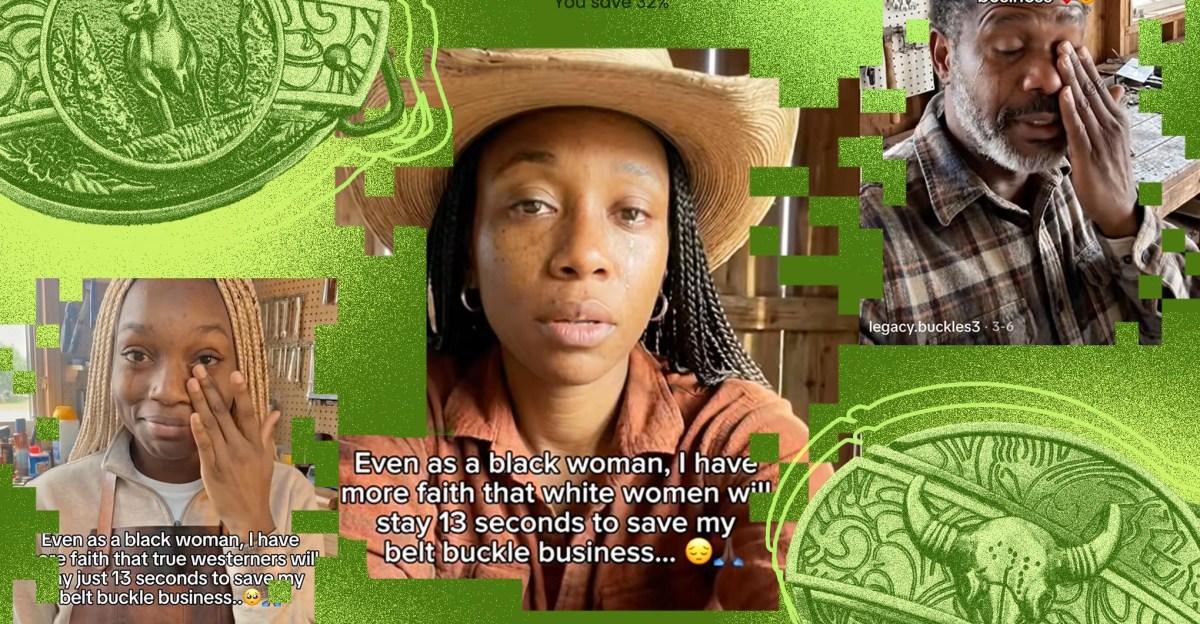
On TikTok, a character named Aliyah, depicted as a light-skinned Black woman dressed in country-western attire, has been featured in videos pleading for support to sell handmade metal belt buckles. In one viral clip, she appears emotional, urging viewers to help sustain her business. However, investigations reveal that Aliyah is not a real person but an AI-generated influencer designed to promote products through dropshipping schemes.
Fake Influencers and the Rise of AI Misrepresentation
The AI-generated Aliyah and similar profiles have been created to give an impression of authenticity and personal storytelling, tactics commonly used to boost engagement on social media platforms such as TikTok, Facebook, and Instagram. Despite the appearance of handcrafted goods, the products linked to these accounts are mass-produced items, often sourced from inexpensive suppliers like Shein. This phenomenon raises serious ethical questions about the use of AI-generated identities and the exploitation of racial imagery to drive sales.
Implications for AI Ethics and E-Commerce
The use of AI-generated influencers blurs the line between genuine creator content and fabricated marketing, challenging consumer trust. By leveraging AI to fabricate identities, companies circumvent traditional transparency and authenticity standards in influencer marketing. The emotional appeal of these AI personas, especially when linked to racial identities, can manipulate audience empathy and buying behavior, which may contribute to the spread of misleading content and cultural appropriation concerns.
The Broader Context of AI in Digital Marketing
This case highlights a growing trend where AI technologies are increasingly integrated into marketing strategies, sometimes in deceptive ways. While AI offers powerful tools for content creation and personalization, its misuse risks eroding consumer confidence and raising urgent questions about regulation, accountability, and ethical standards in the AI age.
As AI continues to reshape the landscape of digital commerce and social media, stakeholders—including platforms, regulators, and consumers—must address these challenges to ensure responsible AI deployment that respects cultural identities and promotes transparency.

Fonte: ver artigo original
Related coverage: AI Chronicle analysis and updates.
Why it matters
This update influences the AI race across model providers, infrastructure leaders, and enterprise adoption decisions.

Related Articles
 Princeton’s CEO-Bench Reveals AI Agents Struggle to Manage Startups Compared to Rule-Based Heuristics
 Why NVIDIA’s open medical simulation push matters more than another robotics demo
 Possessor(s) is a fast-paced action game that gets off to a slow start
 Google Introduces Opal AI: A Rapid Mini-App Creation Tool for Businesses and Creators



