Meta’s Innovative AI Model and Its Capabilities
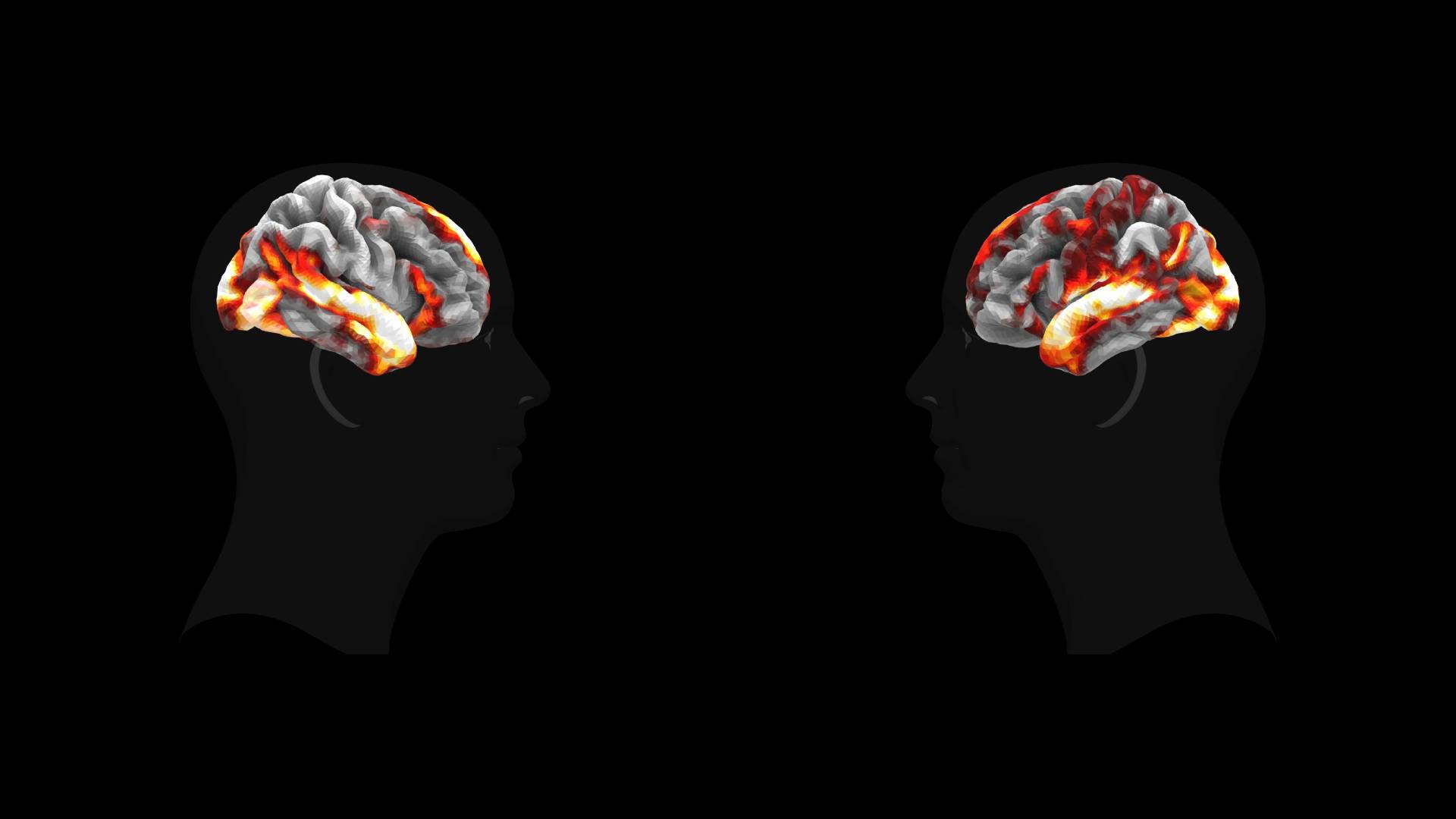
Meta has engineered a novel artificial intelligence model designed to predict the way the human brain responds to sensory inputs including images, sounds, and spoken language. This development represents a significant advance in understanding brain function through AI technology.
Performance Surpassing Individual Brain Scans
In validation tests, Meta’s AI model demonstrated an ability to predict typical brain responses with greater accuracy than scanning a single individual’s brain. This suggests the model effectively generalizes brain activity patterns across different people, providing a more reliable representation of how the brain processes sensory information.
Implications for AI and Neuroscience
The model’s predictive power has important implications for both AI applications and neuroscience research. By anticipating brain responses, AI systems can potentially enhance human-computer interaction, improve brain-machine interfaces, and aid in neurological diagnostics or therapies.
Meta’s AI Strategy and Future Directions
This innovation aligns with Meta’s broader AI strategy, which focuses on leveraging cutting-edge models to better understand human cognition and enhance technology integration in everyday life. The company’s efforts contribute to the ongoing AI revolution that is reshaping multiple sectors including healthcare, education, and entertainment.
As AI continues to evolve, models like Meta’s that bridge brain science and machine learning offer promising pathways to more intuitive and personalized AI tools.
Fonte: ver artigo original

Related Articles
 Allen Institute for AI Unveils OLMo 3: The First Fully Open ‘Thinking’ AI Model with Transparent Reasoning
 Samsung Adopts OpenAI’s ChatGPT Enterprise and Codex Across South Korea and DX Division
 OpenAI and Microsoft End Exclusivity and AGI Clause in Revised Partnership
 South Koreans Spend More Monthly on AI Subscriptions Than Netflix, Led by ChatGPT