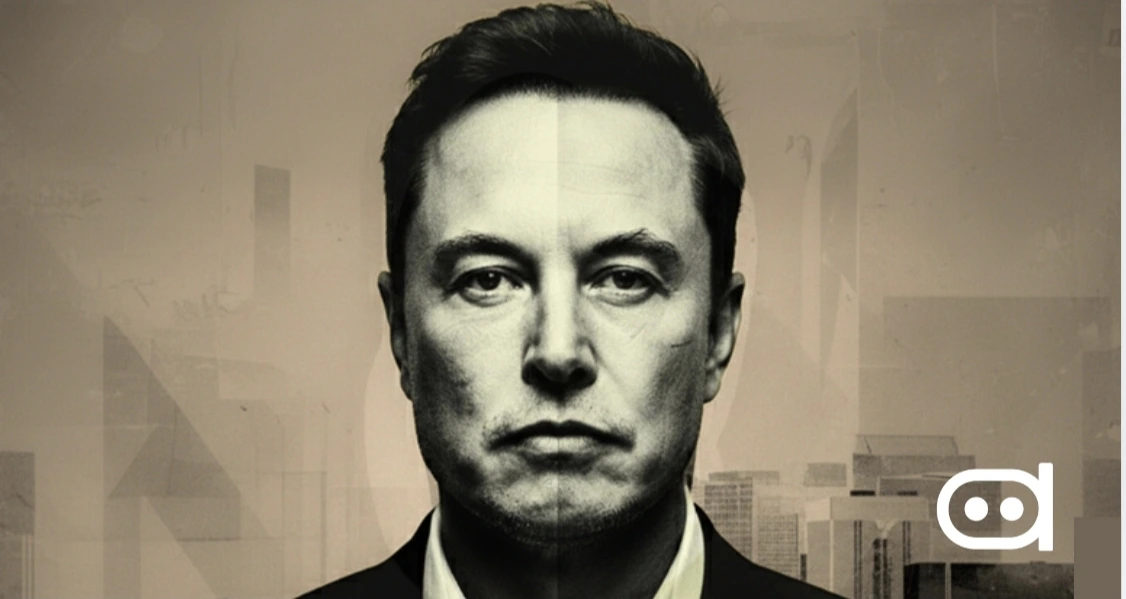
Elon Musk Highlights Tesla’s Ambitious Robotaxi Plans
Elon Musk, one of the most influential figures in technology and AI, recently reiterated Tesla’s commitment to developing a broad network of fully autonomous robotaxis in the United States. According to Musk’s latest statements on X (formerly Twitter), Tesla aims to have these driverless vehicles operating widely by the end of 2026.
The Promise of Driverless Robotaxis
The concept of robotaxis – driverless taxis that can transport passengers without human intervention – has been a long-standing goal for Tesla. This new announcement revives earlier promises about Tesla’s ability to revolutionize urban mobility through advanced artificial intelligence and self-driving technology.
Robotaxis are expected to leverage Tesla’s Autopilot and Full Self-Driving (FSD) software, which utilize AI algorithms, sensor fusion, and real-time data processing to navigate complex environments safely. Musk’s vision includes a future where Tesla cars operate as autonomous ride-hailing vehicles, reducing the need for private car ownership and transforming transportation economics.
Implications for AI and Everyday Life
The widespread adoption of Tesla’s robotaxis would mark a significant milestone in how artificial intelligence is changing everyday life. It demonstrates practical AI applications that millions could use daily, directly impacting commuter productivity, road safety, and environmental sustainability by optimizing vehicle usage and reducing emissions.
Furthermore, this development aligns with broader AI trends where companies deploy intelligent automation to cut costs and enhance services. The robotaxi fleet could create new job categories in AI system maintenance and fleet management, even as it disrupts traditional driving jobs.
Challenges and Industry Context
Despite the optimistic timeline, fully driverless technology faces regulatory, technical, and ethical challenges. Ensuring safety, addressing AI biases in decision-making, and gaining public trust remain critical hurdles.
Elon Musk’s emphasis on robotaxis also highlights the competitive AI landscape, where Tesla is competing with other tech giants investing heavily in autonomous vehicles and mobility solutions. The race to achieve reliable autonomous driving technology is not only a test of AI capabilities but also a strategic business endeavor with substantial economic implications.
Looking Ahead
If Tesla succeeds in launching a widespread driverless robotaxi network by 2026, it could accelerate the adoption of AI-powered mobility services globally. This initiative underscores how artificial intelligence is no longer confined to labs or niche applications but is becoming integral to everyday transportation and urban infrastructure.
As AI technologies advance rapidly, Tesla’s robotaxi rollout will be a key development to watch, reflecting broader shifts in how AI reshapes industries and daily life.
Fonte: ver artigo original

Related Articles
 Global AI Awards 2026 Open for Entries: Celebrating Innovation and Impact
 Sierra, Bret Taylor’s AI Startup, Surpasses $100 Million ARR in Under Two Years
 Grammarly Faces Criticism Over Unauthorized Use of Expert Names in AI Feature
 Samsung Display and China’s BOE Resolve Lengthy OLED Patent and Trade Secret Disputes