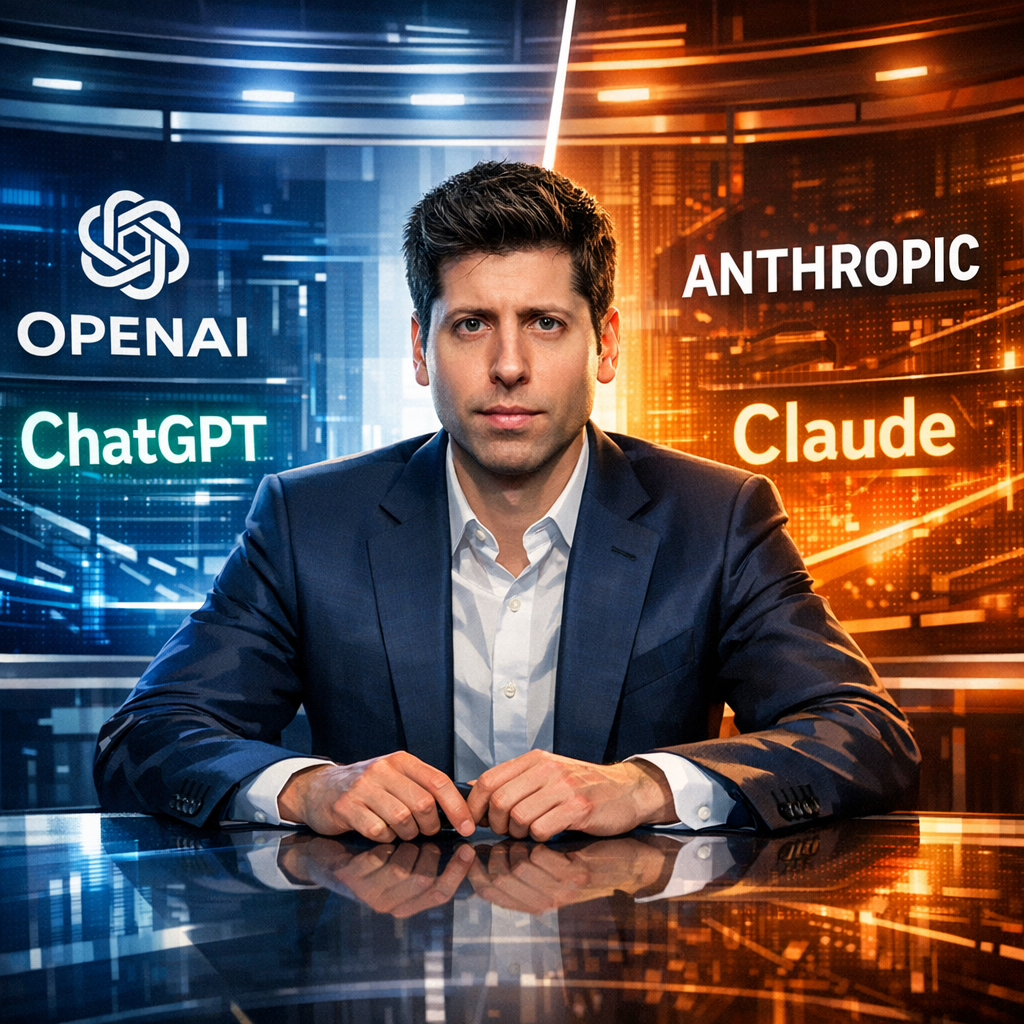
Is Sam Altman the Most Powerful Figure in AI?
In the rapidly evolving world of artificial intelligence, power isn’t always loud. Sam Altman, CEO of OpenAI, has been operating with a subtlety that belies his influence. While headlines chase flashy announcements or Elon Musk’s latest tweetstorm, Altman is quietly scripting the future of AI governance, development, and deployment. But should we be worried about how much control one man—or one company—holds over technologies that will shape our collective destiny?
AI Industry Power Concentration: A Threat to Innovation?
Power in the AI industry is concentrating faster than wealth ever did. With companies like OpenAI, Google, and NVIDIA dominating not just technology but policymaking, the AI landscape risks becoming a monopolistic playground. This concentration isn’t just about market share—it’s about whose values, biases, and economic interests get embedded in the very algorithms that will mediate information, labor, and even democracy. Is this the innovation we want, or a dangerous bottleneck?
OpenAI’s Promises vs. Reality
When OpenAI launched, it promised openness, transparency, and democratization of AI. Yet, behind the scenes, the company’s increasingly closed models and guarded research reveal a shift towards control and competitive advantage. Does this reflect a necessary evolution to safeguard AI safety—or the betrayal of the ideals that once made it a beacon of hope?
Ethics, Regulation, and the AI Leadership Crisis
AI today isn’t just a technological challenge; it’s a governance nightmare. Sam Altman and his peers are not just building AI—they are shaping its regulatory environment, often from seats of unprecedented power. The same companies pushing AI forward write the rules meant to control it, raising uncomfortable questions about conflicts of interest and accountability. Can AI safety be more than a branding strategy in a landscape dominated by profit-driven giants?
The Illusion of Competition and the Role of Open Source
Many believe competition fuels innovation, but in AI, the illusion of rivalry often masks coordination among a select few. Open source AI initiatives stand as the last bastion of decentralized innovation—but even they struggle to keep pace with closed, heavily-funded labs. Is the open-source movement the true safeguard against a future of AI monopolies?
Power, Society, and the Future of AI
As AI seeps into every aspect of society, from the workplace to governance, the question is clear: who holds the keys to this new kingdom? Sam Altman and the emerging AI elite don’t just influence markets; they shape societal norms, ethical standards, and even political power structures. If AI CEOs become the new policymakers, what happens to democracy and public accountability? It’s time to ask ourselves whether we’re empowering visionaries or enabling unchecked authority in the name of progress.
Conclusion: A Call to Scrutiny and Action
The rise of Sam Altman as a central figure in AI highlights a broader systemic issue—the concentration of AI power in the hands of a few. This isn’t simply about who leads technology but about who decides the future of humanity’s relationship with AI. We must challenge the uncritical acceptance of tech leadership as benevolent and demand transparency, ethics, and public participation in shaping AI’s path. Otherwise, the AI revolution may become less about collective advancement and more about the consolidation of control.

Related Articles
 OpenAI Rolls Out Group Chat Feature in ChatGPT Across Multiple Countries
 Critical Vulnerability Found in Anthropic’s Claude Cowork AI Just Days After Launch
 SpaceX’s Upgraded Starship Faces Setback After Explosion During Testing
 Robots Set New Records at Beijing Half-Marathon, Surpassing Human Performance