Anthropic Study Highlights AI Usage Stigma Among Creative Professionals
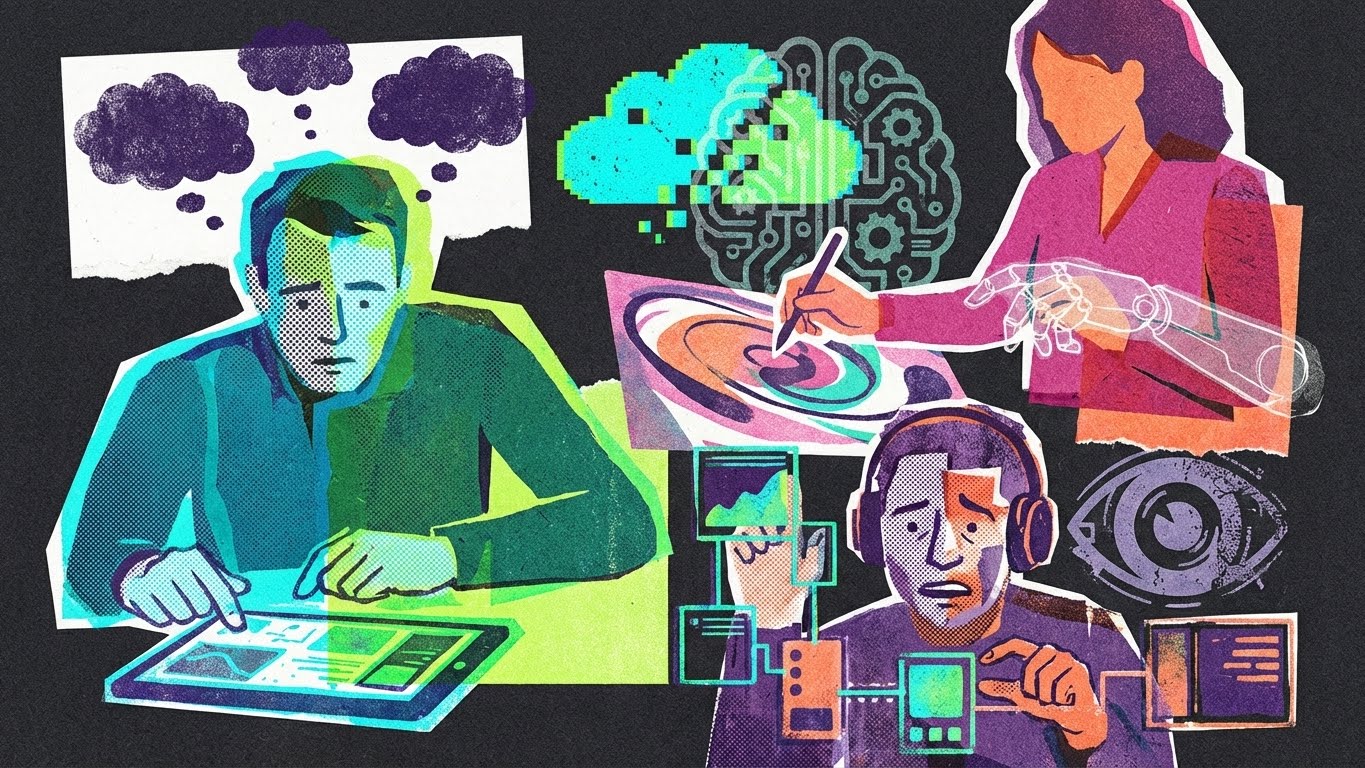
A recent study conducted by Anthropic reveals a paradox in the creative industry: although artificial intelligence (AI) tools are increasingly aiding creative professionals in their work, a substantial portion of these individuals feel compelled to conceal their AI usage. The research indicates that about 70% of creative workers fear negative judgment or stigma from peers if their reliance on AI tools becomes known.
Benefits and Concerns Surrounding AI Adoption
The study underscores that AI technologies have brought tangible benefits to creative workflows, enhancing productivity, ideation, and execution. However, these advantages are coupled with apprehensions about job security. Many creatives worry that their roles may be threatened as AI capabilities continue to evolve and automate aspects of creative work.
This duality creates a complex environment in which professionals weigh the efficiency gains from AI against the risks of social and professional backlash. The reluctance to disclose AI usage reflects broader concerns about how AI integration might reshape creative industries, potentially leading to reduced human involvement.
Implications for the Creative Sector and AI Policy
The findings from Anthropic contribute to ongoing discussions about AI’s impact on employment and workplace culture, especially in sectors traditionally viewed as reliant on human ingenuity. The stigma around AI use may hinder open conversations about the ethical and practical challenges of adopting these technologies.
Experts suggest that fostering transparency and creating supportive policies could alleviate fears surrounding AI adoption. Encouraging dialogue on how AI can complement rather than replace human creativity may help in reducing stigma and promoting responsible AI integration.
Looking Ahead
As AI tools become more sophisticated and widespread, understanding the social dynamics around their use is critical. The study by Anthropic serves as a call to stakeholders—including companies, policymakers, and creative professionals—to address concerns proactively and build frameworks that protect jobs while embracing technological advancements.
Ultimately, balancing innovation with workforce stability will be essential for the sustainable growth of AI-powered creativity.
Fonte: ver artigo original

Related Articles
 Google Leverages 5 Million News Articles and Gemini AI to Predict Flash Floods
 Monarch Tractor Faces Lawsuit Over Alleged Autonomous Operation Failures
 Rising Demand from Data Centers Sparks 66% Increase in Natural Gas Power Plant Costs
 Meta Expands Renewable Energy Portfolio with 650 MW of New Solar Power to Support AI Operations